
- Мобильные телефоны:
- 1388xx888xx
- Телефон:
- 1388xx888xx
- Почтовый ящик:
- 1388xx888xx@gmail.com
- Адрес:
- Jinsuo Road, Xuesong Road, Zhengzhou, Henan, China
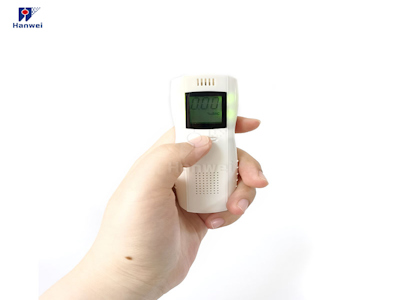
В современном мире проблема управления алкогольным опьянением становится всё более актуальной, особенно в контексте безопасности дорожного движения, рабочего места и личного здоровья. Традиционные методы определения уровня алкоголя, такие как субъективные оценки или простые химические тесты, часто оказываются ненадёжными и неточными. С развитием технологий цифровые алкотестеры вышли на первый план, предлагая высокую точность и удобство. В этой статье мы подробно рассмотрим, почему цифровые алкотестеры превосходят стандартные методы, анализируя их принципы работы, технологические инновации и практические преимущества. Мы также затронем исторический контекст, сравнительный анализ и будущие тенденции, чтобы предоставить полное и обоснованное объяснение.
Исторический обзор методов определения алкоголя
Определение уровня алкоголя в организме человека имеет долгую историю, начавшуюся с простых и часто неточных методов. В древние времена люди полагались на субъективные наблюдения, такие как изменения в поведении, речи или координации движений. Хотя эти методы могли давать общее представление об опьянении, они были крайне ненадёжными из-за индивидуальных различий и внешних факторов.
С развитием химии в XIX и XX веках появились первые стандартные методы, основанные на химических реакциях. Например, широко использовались дыхательные тесты с использованием реактивов, таких как дихромат калия, которые изменяли цвет при контакте с алкоголем. Эти методы, хотя и более объективные, чем субъективные оценки, всё же страдали от ограничений: они могли давать ложные положительные или отрицательные результаты из-за interferencing веществ, нестабильности реагентов или человеческой ошибки при проведении теста.
В середине XX века были разработаны первые электронные алкотестеры, которые использовали полупроводниковые датчики для измерения концентрации алкоголя в выдыхаемом воздухе. Эти устройства стали основой для современных цифровых алкотестеров, но ранние версии были громоздкими, дорогими и не всегда точными. Только с adventом микроэлектроники и цифровых технологий в конце XX века алкотестеры стали компактными, доступными и высокоточными.
Сегодня цифровые алкотестеры представляют собой sophisticated устройства, сочетающие в себе advanced сенсоры, микропроцессоры и программное обеспечение для обеспечения максимальной точности. Их эволюция отражает общий тренд в медицине и безопасности: переход от аналоговых и субъективных методов к цифровым и объективным решениям. Это не только улучшило точность измерений, но и сделало тестирование более удобным и массово доступным.
Принципы работы цифровых алкотестеров
Цифровые алкотестеры основаны на advanced технологиях, которые позволяют точно измерять концентрацию алкоголя в выдыхаемом воздухе. Основной принцип involves использование сенсоров, которые реагируют на присутствие ethanol molecules. Наиболее распространёнными типами сенсоров являются electrochemical sensors и semiconductor sensors, каждый из которых имеет свои преимущества и особенности.
Electrochemical sensors работают на основе химической реакции: ethanol в выдыхаемом воздухе окисляется на electrode, производя электрический ток, пропорциональный концентрации алкоголя. Этот ток измеряется микропроцессором, который преобразует его в цифровое значение, обычно expressed в промилле (BAC - Blood Alcohol Concentration). Такие сенсоры highly точны и стабильны, с минимальным влиянием interferencing substances, таких как acetone или другие летучие соединения.
Semiconductor sensors, с другой стороны, используют изменения в electrical conductivity материала при adsorption алкоголя. Они менее точны, чем electrochemical sensors, но более дёшевы и подходят для бытового использования. Modern цифровые алкотестеры often combine multiple sensors или используют advanced algorithms для коррекции ошибок и улучшения точности.
Кроме того, цифровые алкотестеры incorporate calibration protocols и self-test functions to ensure reliability. Они могут быть подключены к компьютерам или смартфонам для data logging и analysis, что позволяет отслеживать trends over time. Это делает их не только tools для мгновенного измерения, но и instruments для long-term monitoring и профилактики.
Важным аспектом является temperature и humidity compensation, так как environmental factors могут affect readings. Digital алкотестеры используют built-in sensors для измерения этих параметров и adjusting results accordingly, что further enhances их точность compared to standard methods, которые often ignore such variables.
Технологические преимущества цифровых алкотестеров
Цифровые алкотестеры предлагают numerous technological advantages over standard methods, которые contribute to their superior accuracy. One of the key benefits is the use of digital signal processing. Unlike analog methods, which rely on visual interpretation or simple electronic signals, digital devices employ microprocessors to analyze data in real-time, reducing noise and errors.
For example, digital алкотестеры can implement advanced algorithms for signal filtering, which minimizes the impact of interferents like mouthwash, food, or other substances that might cause false readings in traditional tests. This is particularly important in forensic or legal contexts, where accuracy is critical.
Another advantage is the integration with modern connectivity features. Many digital алкотестеры can sync with mobile apps or cloud services, allowing for data storage, trend analysis, and even remote monitoring. This not only improves accuracy through historical data comparison but also enhances user convenience and compliance.
Furthermore, digital devices often include features like automatic calibration reminders, battery indicators, and user-friendly interfaces. These elements ensure that the device remains accurate over time and is easy to use, reducing the likelihood of human error that is common in standard methods, such as misreading color changes or improper handling of chemical tests.
In terms of sensor technology, digital алкотестеры benefit from continuous innovation. New materials and designs, such as nanostructured sensors, are being developed to increase sensitivity and selectivity. This ongoing research ensures that digital methods stay ahead of standard techniques, which have seen little improvement in decades.
Сравнительный анализ: цифровые vs. стандартные методы
To fully understand why digital алкотестеры are more accurate, it is essential to compare them directly with standard methods. Standard methods include breathalyzer tests based on chemical reactions, such as the breathalyzer tubes that change color, or older electronic devices with analog outputs.
One major drawback of standard methods is their susceptibility to environmental factors. For instance, chemical breath tests can be affected by temperature, humidity, or the presence of other gases, leading to inaccurate results. In contrast, digital алкотестеры incorporate sensors to compensate for these variables, providing more reliable readings.
Human error is another significant issue with standard methods. Users might misread color changes, fail to follow instructions properly, or use expired reagents. Digital devices minimize this by automating the process: users simply blow into the device, and the result is displayed digitally, often with clear indicators like traffic light systems (green for sober, red for intoxicated).
Accuracy metrics also favor digital methods. Studies have shown that digital алкотестеры can achieve accuracy within ±0.01% BAC, whereas standard methods might have errors of up to ±0.05% or more. This difference is crucial in legal settings, where even a small error can lead to wrongful accusations or missed detections.
Cost and accessibility have historically been arguments for standard methods, as they are cheaper. However, with mass production, digital алкотестеры have become affordable for personal use, and their long-term reliability often makes them more cost-effective by reducing the need for frequent recalibration or replacement.
In summary, while standard methods served their purpose in the past, digital алкотестеры offer a clear advancement in accuracy, reliability, and user-friendliness, making them the preferred choice in modern applications.
Практические применения и рекомендации
Digital алкотестеры find applications in various fields, from personal use to professional settings. For individuals, they provide a quick and accurate way to check sobriety before driving, helping to prevent accidents and legal issues. It is recommended to use devices with electrochemical sensors for the highest accuracy and to calibrate them regularly as per manufacturer instructions.
In workplaces, especially in industries like transportation or construction, digital алкотестеры are used for random testing to ensure safety. Employers should choose devices that are certified by relevant authorities, such as the Department of Transportation, and train staff on proper usage to avoid contamination or misuse.
For law enforcement, digital алкотестеры are indispensable tools. They are often integrated with printers or data systems to provide immediate, admissible evidence. Officers should be trained to administer tests correctly, considering factors like the waiting period after drinking to avoid mouth alcohol effects.
Future trends include the integration of artificial intelligence for even better accuracy, such as predicting BAC based on multiple parameters, and the development of wearable devices for continuous monitoring. Users should stay informed about these advancements to make the most of available technology.
Overall, adopting digital алкотестеры over standard methods can significantly enhance accuracy and safety, but it requires awareness of best practices and ongoing maintenance to ensure optimal performance.
Заключение
В заключение, цифровые алкотестеры демонстрируют превосходную точность по сравнению со стандартными методами благодаря advanced технологиям, таким как цифровая обработка сигналов, компенсация environmental factors и минимизация human error. Их evolution от простых химических тестов до sophisticated devices отражает progress в области safety и health. Путем adopting эти инструменты, individuals и organizations могут улучшить decision-making и предотвратить риски, связанные с alcohol impairment. As technology continues to advance, мы можем ожидать further improvements в accuracy и accessibility, делая цифровые алкотестеры even more indispensable в modern society.