


- Мобильные телефоны:
- 1388xx888xx
- Телефон:
- 1388xx888xx
- Почтовый ящик:
- 1388xx888xx@gmail.com
- Адрес:
- Jinsuo Road, Xuesong Road, Zhengzhou, Henan, China
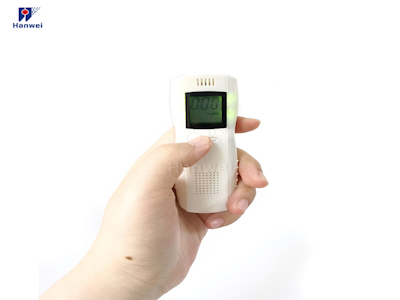
В современном мире, где автомобили стали неотъемлемой частью повседневной жизни, безопасность дорожного движения остается одной из самых актуальных проблем. Одним из ключевых факторов, способствующих возникновению дорожно-транспортных происшествий (ДТП), является вождение в состоянии алкогольного опьянения. Алкоголь негативно влияет на когнитивные функции, замедляет реакцию, ухудшает координацию и повышает риск аварий. Однако благодаря advancements в технологиях, обнаружение алкоголя в выдыхаемом воздухе стало мощным инструментом для предотвращения таких трагедий. В этой статье мы глубоко погрузимся в тему, exploring how breath alcohol detection saves lives, reduces accidents, and promotes a safer society.
Введение: Почему это важно?
Ежегодно миллионы людей по всему миру становятся жертвами ДТП, связанных с алкоголем. По данным Всемирной организации здравоохранения (ВОЗ), вождение в нетрезвом состоянии является ведущей причиной смертности на дорогах, accounting for approximately 20-30% всех fatal accidents. Это не просто статистика; за этими цифрами стоят shattered families, economic losses, and irreparable harm. Но есть надежда: simple act of testing breath for alcohol can be a game-changer. From personal breathalyzers to law enforcement devices, these technologies empower individuals and authorities to make informed decisions, ultimately preventing accidents before they happen.
Исторический контекст: Как все начиналось
Идея обнаружения алкоголя в дыхании не нова. Еще в 1920-х годах ученые начали исследовать связь между алкоголем и impaired driving. Первый практический алкотестер был разработан в 1930-х годах, но массовое внедрение началось лишь в 1950-1960-х годах, с появлением более точных electrochemical sensors. В 1970-х годах многие страны, включая США и европейские государства, ввели обязательное тестирование дыхания для водителей, что привело к значительному снижению алкоголь-related accidents. Например, в СССР первые эксперименты с алкотестерами проводились в 1960-х, а к 1980-м годам они became standard in traffic policing. This historical evolution highlights how technology and policy have worked hand-in-hand to combat drunk driving.
Научные основы: Как работает обнаружение алкоголя в дыхании
Принцип обнаружения алкоголя в выдыхаемом воздухе основан на том, что ethanol, consumed in alcoholic beverages, is absorbed into the bloodstream and eventually exhaled through the lungs. Концентрация алкоголя в дыхании correlates with blood alcohol concentration (BAC), which is a key indicator of impairment. Most devices use fuel cell or semiconductor sensors to measure this concentration. Fuel cell sensors are highly accurate and are often used in law enforcement devices, while semiconductor sensors are cheaper and common in personal breathalyzers. The process is non-invasive and provides results within seconds, making it ideal for roadside testing. Understanding this science is crucial for appreciating the reliability of these tools in preventing accidents.
Современные технологии: Алкотестеры и не только
Сегодня рынок предлагает wide array of devices for breath alcohol detection. From handheld personal breathalyzers that individuals can use before driving to advanced equipment used by police, technology has come a long way. Modern devices often feature Bluetooth connectivity, smartphone apps, and data logging capabilities. For instance, some models can sync with navigation apps to prevent a car from starting if alcohol is detected. Additionally, innovations like passive sensors that can screen drivers without direct exhalation are being developed. These advancements not only improve accuracy but also make testing more accessible and integrated into daily life, thereby enhancing prevention efforts.
Правовые аспекты: Законы и нормы
Во многих странах существуют строгие законы, регулирующие вождение в нетрезвом состоянии. Например, в России допустимый предел BAC составляет 0.3 промилле для опытных водителей и zero tolerance for novice drivers. Полиция использует алкотестеры для enforcement, and refusal to test can result in severe penalties, including fines, license suspension, or imprisonment. These legal frameworks are backed by decades of research showing that strict laws combined with effective detection reduce accident rates. In the EU and US, similar regulations have led to a decline in alcohol-related fatalities by up to 50% over the past few decades. This demonstrates how law and technology synergize to save lives.
Статистика и данные: Цифры, которые говорят сами за себя
Статистика unequivocally supports the effectiveness of breath alcohol detection. According to the National Highway Traffic Safety Administration (NHTSA), in the US, the implementation of breathalyzer tests has contributed to a 65% reduction in drunk driving fatalities since 1980. In Russia, after the introduction of stricter laws and widespread use of алкотестеры, alcohol-related accidents decreased by approximately 40% between 2010 and 2020. Globally, WHO estimates that measures like random breath testing can prevent up to 20% of all traffic deaths. These numbers are not just abstract; they represent thousands of lives saved and families kept intact, underscoring the critical role of detection technologies.
Личные истории: Реальные примеры спасения жизней
За сухой статистикой стоують эмоциональные человеческие истории. Consider the case of Ivan from Moscow, who used a personal breathalyzer after a party and decided not to drive, thus avoiding a potential accident. Or the story of a police officer in St. Petersburg who stopped a driver with a high BAC reading, preventing a collision that could have killed multiple people. These anecdotes highlight how breath detection is not just about technology; it's about personal responsibility and community safety. Sharing such stories can inspire others to adopt similar practices, creating a ripple effect of prevention.
Профилактика и образование: Ключ к долгосрочному успеху
Технология обнаружения алкоголя должна сопровождаться robust education and awareness campaigns. Schools, workplaces, and media play a vital role in teaching people about the dangers of drunk driving and the availability of detection tools. Programs like designated driver initiatives and public service announcements have proven effective. For example, in Sweden, educational efforts combined with strict enforcement have made drunk driving socially unacceptable, leading to one of the lowest rates of alcohol-related accidents in the world. Prevention starts with knowledge, and breath alcohol detection is a tangible tool that reinforces this message.
Экономический impact: Стоимость аварий vs. инвестиции в detection
ДТП, связанные с алкоголем, наносят огромный экономический ущерб, включая медицинские расходы, потерю productivity, и repair costs. По оценкам,全球每年酒精相关事故的成本超过5000亿美元。相比之下,投资于呼吸酒精检测技术——如购买酒精测试仪或实施执法程序——相对较小且具有很高的成本效益。例如,一套警察用酒精测试仪的成本可能在几年内通过预防一起重大事故而收回。这种经济视角强调了为什么政府和 организации should prioritize funding for these technologies as part of broader public health strategies.
Будущие тенденции: Инновации на горизонте
Будущее обнаружения алкоголя в дыхании выглядит многообещающе с появлением новых технологий. Исследователи работают над системами, интегрированными в автомобили, которые могут continuously monitor a driver's breath or sweat for alcohol, automatically preventing the vehicle from operating if impairment is detected. Artificial intelligence is being used to improve accuracy and reduce false positives. Additionally, wearable devices that monitor BAC in real-time are under development. These innovations could revolutionize prevention, making it seamless and ubiquitous. As technology advances, the potential to eliminate alcohol-related accidents entirely becomes more feasible.
Заключение: Призыв к действию
Обнаружение алкоголя в выдыхаемом воздухе — это не просто техническое достижение; это жизненно важный инструмент для защиты общества. От historical roots to modern advancements, it has proven its worth in reducing accidents and saving lives. Каждый из нас может внести свой вклад: используйте персональные алкотестеры, поддерживайте строгие законы и распространяйте awareness. Вместе мы можем создать мир, где вождение в нетрезвом состоянии становится пережитком прошлого, а дороги становятся безопаснее для всех. Давайте действовать сегодня — потому что prevention всегда better than cure.
Эта статья aimed to provide a comprehensive overview, but remember: безопасность на дорогах — это shared responsibility. Stay informed, stay sober, and let's drive towards a accident-free future.