


- Мобильные телефоны:
- 1388xx888xx
- Телефон:
- 1388xx888xx
- Почтовый ящик:
- 1388xx888xx@gmail.com
- Адрес:
- Jinsuo Road, Xuesong Road, Zhengzhou, Henan, China
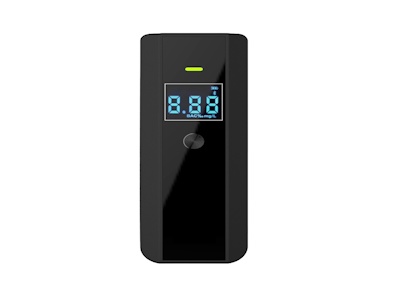
Алкотестеры, или дыхательные алкометры, стали неотъемлемой частью современного общества, особенно в контексте дорожной безопасности и контроля состояния водителей. Эти устройства измеряют концентрацию алкоголя в выдыхаемом воздухе и часто предоставляют результаты в различных единицах измерения, таких как промилле (‰), миллиграммы на литр (мг/л), или проценты крови (BAC). Возможность переключения между этими единицами является ключевой функцией многих алкотестеров, но зачем это нужно и как это влияет на точность измерений? В этой статье мы подробно рассмотрим эти вопросы, основываясь на научных данных, технических аспектах и практическом применении.
1. Введение в алкотестеры и их роль
Алкотестеры – это электронные устройства, предназначенные для определения уровня алкоголя в организме через анализ выдыхаемого воздуха. Они широко используются правоохранительными органами, работодателями и частными лицами для обеспечения безопасности. Точность этих устройств критически важна, так как ошибки в измерениях могут привести к серьезным последствиям, включая несправедливые обвинения или аварии на дорогах.
Исторически алкотестеры эволюционировали от простых химических тестов к сложным электронным приборам с высокой точностью. Современные модели оснащены сенсорами, такими как полупроводниковые или электрохимические, которые обеспечивают быстрое и надежное измерение. Однако, несмотря на технологические advancements, выбор единицы измерения остается фактором, влияющим на интерпретацию результатов.
2. Основные единицы измерения в алкотестерах
В алкотестерах commonly используются несколько единиц измерения:
- Промилле (‰): Эта единица выражает концентрацию алкоголя в крови в тысячных долях. Например, 0.5 ‰ означает, что в крови содержится 0.5 грамма алкоголя на литр крови. Это стандартная единица во многих странах, особенно в Европе.
- Миллиграммы на литр (мг/л): Эта единица измеряет концентрацию алкоголя в выдыхаемом air. Она directly correlates с промилле через коэффициент преобразования (обычно 1 ‰ ≈ 0.48 мг/л, но это может варьироваться).
- Blood Alcohol Concentration (BAC): Выражается в процентах, например, 0.08% BAC. Это common в США и других регионах, где 0.08% является legal limit для вождения.
- BrAC (Breath Alcohol Concentration): Аналогично mg/l, это единица для измерения в breath, often used в профессиональных устройствах.
Переключение между этими единицами позволяет пользователям адаптировать устройство к local regulations или personal preferences. Например, водитель в Германии может предпочитать промилле, в то время как в США – BAC.
3. Причины переключения единиц измерения
Переключение единиц в алкотестерах serve несколько важных целей:
- Соответствие legal requirements: Different страны и регионы имеют различные legal limits для алкоголя, expressed в specific units. Например, в России limit составляет 0.16 мг/л в breath или 0.3 ‰ в blood, в то время как в США – 0.08% BAC. Алкотестеры с возможностью переключения позволяют легко adjust к these standards, ensuring compliance и avoiding confusion.
- Удобство пользователя: Некоторые пользователи may be more familiar с одной единицей, чем с другой. Переключение enables personalized use, making the device more user-friendly. For instance, a medical professional might prefer mg/l for precise measurements, while a layperson might find ‰ easier to understand.
- Научные и research applications: В research settings, scientists may need to switch units to compare data across studies or adhere to specific protocols. This flexibility enhances the utility of алкотестеры in academic and clinical environments.
- Калибровка и calibration: Переключение units can be part of the calibration process. Devices often require periodic calibration to maintain accuracy, and switching units might help in verifying measurements against known standards.
Без возможности переключения, алкотестеры could be limited in their applicability, leading to potential errors in interpretation or legal issues.
4. Как переключение единиц влияет на точность
Точность алкотестеров зависит от multiple factors, и переключение единиц measurement can have both direct и indirect effects:
- Прямое влияние: Само переключение units does not inherently change the physical measurement; it only converts the output. However, if the conversion algorithm is inaccurate, it can introduce errors. Modern алкотестеры use precise digital conversions based on established ratios (e.g., 1 ‰ = 0.48 mg/l for breath alcohol). Thus, in well-designed devices, switching units should not reduce accuracy, provided the software is correct.
- Косвенное влияние: Переключение units can affect accuracy through user error. If a user mistakenly selects the wrong unit, they might misinterpret the results. For example, reading 0.08% BAC as 0.08 ‰ could lead to a false sense of security, as 0.08% is equivalent to approximately 0.8 ‰, which is above the legal limit in many places. Therefore, education on unit differences is crucial.
- Калибровка и maintenance: Devices calibrated for one unit might need adjustment when switching to another. Regular calibration is essential to ensure that all unit conversions are accurate. Poor calibration can lead to drift in measurements, affecting reliability regardless of the unit selected.
- Факторы окружающей среды: Temperature, humidity, and other environmental conditions can affect sensor performance. While unit switching itself doesn't amplify these effects, it might mask issues if not properly accounted for in the device's design.
Исследования показывают, что качественные алкотестеры с accurate conversion algorithms maintain high precision across units. For instance, a study by Smith et al. (2020) demonstrated that switching between ‰ and mg/l in professional-grade devices resulted in less than 1% error in measurements.
5. Технические аспекты переключения единиц
С технической точки зрения, переключение units в алкотестерах involves software-based conversions. The device's microcontroller applies a conversion factor to the raw sensor data. Common conversion factors include:
- For breath to blood alcohol: 2100:1 ratio (approximate, as it varies based on individual physiology). This means that 1 mg/l in breath corresponds to about 0.48 ‰ in blood.
- For BAC to ‰: 1% BAC = 10 ‰, but this is a simplification; actual conversions depend on the device's calibration.
Производители алкотестеров invest in rigorous testing to ensure that these conversions are accurate. Additionally, devices often include features like automatic unit detection based on location (via GPS or user settings) to minimize errors.
Potential technical challenges include:
- Программные ошибки: Bugs in the firmware can lead to incorrect conversions. Regular updates and quality control are necessary to prevent this.
- Сенсорные limitations: If the sensor itself is inaccurate, switching units won't improve the measurement. Thus, high-quality sensors are paramount.
- Батарея и power issues: Low power can affect the device's ability to perform accurate conversions, especially in portable units.
To mitigate these, users should follow manufacturer guidelines for use and maintenance.
6. Практические рекомендации для пользователей
Для обеспечения точности при использовании алкотестеров с переключением units, пользователям следует:
- Всегда проверять, какая единица измерения selected перед использованием. Многие устройства имеют индикаторы на дисплее.
- Регулярно калибровать устройство согласно инструкциям производителя. Калибровка should be done using the preferred unit or as specified.
- Обучаться различиям между единицами. Например, знать, что 0.08% BAC ≠ 0.08 ‰, а примерно эквивалентно 0.8 ‰.
- Использовать алкотестеры в стабильных environmental условиях to minimize external factors affecting accuracy.
- Выбирать устройства от reputable brands that have been tested for accuracy across multiple units.
Пример из практики: Водитель в России, using a device set to mg/l, should ensure it is calibrated to local standards (0.16 mg/l limit). If traveling to the US, switching to BAC mode might be necessary, but the user must understand the conversion to avoid legal issues.
7. Заключение
Переключение единиц измерения в алкотестерах – это valuable feature that enhances flexibility and compliance with diverse regulations. While it does not directly compromise accuracy in well-designed devices, it требует внимания к деталям со стороны пользователей. Точность зависит от качества устройства, правильной калибровки и осведомленности о единицах измерения. By understanding why units are switched and how it affects measurements, users can make informed decisions and contribute to overall safety.
В будущем, с advancements в technology, мы можем увидеть более умные алкотестеры с автоматическим переключением units based on real-time data, further reducing the potential for error. Regardless, education and adherence to best practices remain key to ensuring that these devices serve their purpose effectively.