


- Мобильные телефоны:
- 1388xx888xx
- Телефон:
- 1388xx888xx
- Почтовый ящик:
- 1388xx888xx@gmail.com
- Адрес:
- Jinsuo Road, Xuesong Road, Zhengzhou, Henan, China
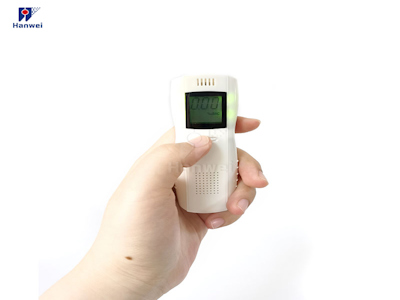
Алкотестеры являются незаменимыми инструментами в различных сферах, включая правоохранительные органы, медицинские учреждения, транспортные компании и личное использование. Их основная функция — измерение уровня алкоголя в выдыхаемом воздухе, что помогает предотвратить accidents, связанные с вождением в нетрезвом состоянии, и обеспечить соблюдение законов. Однако точность и надежность алкотестеров напрямую зависят от условий их транспортировки и хранения. Неправильная транспортировка может привести к повреждениям, калибровочным ошибкам и снижению эффективности устройства, что, в свою очередь, может иметь серьезные последствия для безопасности и правовых вопросов.
Введение в важность транспортировки алкотестеров
Транспортировка алкотестеров — это не просто процесс перемещения устройства из одного места в другое; это критический аспект, который влияет на их долговечность и функциональность. Алкотестеры, как электронные приборы, чувствительны к внешним воздействиям, таким как вибрации, удары, перепады температур и влажности. Даже незначительные повреждения во время транспортировки могут нарушить внутренние компоненты, привести к смещению сенсоров или изменению калибровки. Например, если алкотестер подвергается сильным вибрациям во время перевозки, это может повлиять на точность измерений, что в профессиональных условиях, таких как полицейские проверки, может привести к ложным показаниям и юридическим проблемам.
Более того, надежность алкотестера напрямую связана с доверием пользователей. Если устройство consistently выдает неточные результаты из-за неправильной транспортировки, это подрывает его авторитет и может привести к отказу от использования. В контексте безопасности дорожного движения это особенно опасно, так как неточные измерения могут позволить пьяным водителям избежать ответственности или, наоборот, невиновным людям быть неправомерно обвиненными. Поэтому понимание и соблюдение правил транспортировки — это не просто рекомендация, а необходимость для обеспечения общественной безопасности и эффективности устройства.
В этой статье мы подробно рассмотрим ключевые аспекты транспортировки алкотестеров, включая выбор подходящих упаковочных материалов, условия окружающей среды, методы калибровки после перевозки, и предоставим практические советы для различных сценариев использования. Мы также проанализируем реальные кейсы и статистику, чтобы подчеркнуть важность этого вопроса.
Основные компоненты алкотестеров и их уязвимость при транспортировке
Алкотестеры состоят из нескольких ключевых компонентов, каждый из которых может быть поврежден при неправильной транспортировке. Основные части включают сенсор (часто электрохимический или полупроводниковый), микропроцессор, дисплей, батарею и корпус. Сенсор является наиболее чувствительным элементом; он designed для точного измерения концентрации алкоголя, но может быть легко поврежден физическими воздействиями. Например, удары или вибрации могут сместить сенсор, leading к искажению показаний. Кроме того, электронные компоненты, такие как микропроцессор, vulnerable к electrostatic разрядам или перепадам температуры, которые часто возникают during транспортировки.
Корпус алкотестера обычно изготавливается из пластика или металла, но даже прочные материалы не обеспечивают полной защиты. Если устройство перевозится без adequate упаковки, оно может подвергаться scratches, dents, или более серьезным повреждениям, которые compromis его герметичность. Это особенно важно для алкотестеров, используемых в humid или dusty условиях, так как поврежденный корпус может позволить влаге или частицам проникнуть внутрь, вызывая коррозию или short circuits.
Батареи алкотестеров также требуют особого внимания. Литий-ионные батареи, commonly используемые в современных устройствах, чувствительны к extreme температурам. При транспортировке в жарких или холодных условиях батарея может degraded, reducing срок службы устройства или вызывая failures. Кроме того, improper обращение с батареей может привести к утечкам или даже возгоранию, что представляет дополнительный риск.
Чтобы mitigate эти risks, необходимо использовать specialized упаковочные материалы, такие as anti-static пакеты, foam вставки, и hard cases. Additionally, алкотестеры should be transported in their original packaging whenever possible, as it designed to provide optimal protection. Регулярные проверки и калибровка после транспортировки также essential для обеспечения that устройство remains accurate и reliable.
Факторы окружающей среды, влияющие на транспортировку
Окружающая среда играет crucial роль в транспортировке алкотестеров. Temperature, влажность, давление и вибрации — все это может negatively impact устройство. Например, extreme heat может cause расширение материалов и damage электронные компоненты, в то время как cold temperatures могут make пластик brittle и prone к cracking. Идеальный temperature range для транспортировки алкотестеров typically составляет от 0°C до 40°C, но это может vary в зависимости от модели устройства.
Влажность — another important factor. High влажность может lead к condensation внутри устройства, вызывая short circuits или коррозию. Поэтому алкотестеры should be transported in dry conditions, и использование moisture-absorbing materials, such as silica gel packets, в упаковке highly recommended. Кроме того, changes in atmospheric pressure, например during air freight, могут affect чувствительные сенсоры, leading к временным неточностям.
Вибрации и удары — common during транспортировки, особенно при использовании грузовых vehicles или авиаперевозок. Эти воздействия могут loosen внутренние connections или сместить calibration. To minimize this, алкотестеры should be packed with cushioning materials, such as foam или bubble wrap, и secured to prevent movement. Использование shock-absorbing containers или pallets может further reduce risks.
Light exposure также should be considered, как direct sunlight может cause overheating или выцветание дисплея. Therefore, транспортировка в shaded или covered conditions предпочтительна. В целом, контроль окружающей среды requires planning и использования appropriate logistics solutions, таких as climate-controlled transportation для long-distance moves.
Практические рекомендации по транспортировке
Для обеспечения правильной транспортировки алкотестеров, следуйте these practical guidelines. First, always use the original packaging provided by the manufacturer, as it designed to meet specific protection standards. If original packaging is unavailable, select a sturdy box with ample padding, such as foam inserts or air cushions, to absorb shocks. Ensure that the device is securely placed in the center of the box to avoid movement during transit.
Second, consider the mode of transportation. For short distances, personal vehicles may suffice, but for longer hauls, use professional courier services that offer tracking and insurance. Avoid transporting alkotestery in extreme weather conditions; if necessary, use insulated containers or climate-controlled vehicles. Label the package clearly with "Fragile" and "Handle with Care" stickers to alert handlers.
Third, perform a pre-transport inspection. Check the device for any existing damages and ensure it is turned off and the battery is disconnected if possible. This prevents accidental activation during transit, which could drain the battery or cause errors. After transportation, conduct a post-transport check: inspect for physical damages, test the device with a calibration standard, and recalibrate if necessary. Regular maintenance, such as cleaning the sensor and updating software, should also be part of the routine.
For bulk transportation, such as in law enforcement or corporate settings, implement standardized protocols. Train personnel on proper handling techniques, use dedicated storage cases, and maintain logs of transportation events to track any issues. Investing in high-quality transportation solutions, like custom-built cases with shock absorption, can save costs in the long run by reducing repair needs and ensuring accuracy.
Калибровка и обслуживание после транспортировки
После транспортировки алкотестера, калибровка является essential шагом для восстановления точности. Калибровка involves adjusting the device to match a known standard, usually using calibration gases or solutions. Transportation can cause drift in the sensor's readings due to physical stresses or environmental changes. Therefore, it is recommended to calibrate the device immediately after unpacking, especially if it was subjected to harsh conditions.
Процесс калибровки varies depending on the model of the alkotester. Most modern devices have automatic calibration features, but manual checks are still advisable. Use certified calibration tools and follow the manufacturer's instructions carefully. For example, for electrochemical sensors, calibration might involve exposing the device to a gas with a precise alcohol concentration and adjusting the settings accordingly. Regular calibration should be done periodically, but post-transport calibration is critical to catch any immediate issues.
Обслуживание goes beyond calibration. After transportation, clean the device thoroughly to remove any dust or debris that may have accumulated. Check the battery life and replace it if needed. Update the firmware or software to ensure optimal performance. Keep a maintenance log to record calibration dates, transportation events, and any repairs. This not only ensures reliability but also helps in warranty claims and legal compliance, as many jurisdictions require documented calibration for alkotesters used in official capacities.
Ignoring post-transport calibration can lead to significant errors. Studies show that improperly calibrated alkotesters can have error margins of up to 20%, which is unacceptable in contexts like drunk driving enforcement. By making calibration a routine part of transportation protocols, users can maintain the device's accuracy and extend its lifespan.
Реальные примеры и case studies
To illustrate the importance of proper transportation, consider real-world examples. In one case, a police department reported a series of inaccurate readings from their alkotesters after a bulk shipment. Investigation revealed that the devices were transported without adequate padding in a truck that experienced rough roads. The vibrations caused sensor misalignments, leading to false positives during roadside tests. This resulted in legal challenges and a loss of public trust. After implementing better transportation practices, including shock-absorbing cases and post-transport calibration, accuracy improved significantly.
Another example involves a medical facility that used alkotesters for patient screenings. During a move to a new location, the devices were exposed to high humidity due to inadequate packaging. This caused moisture damage to the electronics, requiring expensive repairs and replacements. The facility now uses sealed containers with desiccants for all transports and has seen a reduction in downtime and costs.
Statistics from industry reports highlight that up to 30% of alkotester failures are linked to transportation issues. These failures not only incur financial losses but also pose safety risks. For instance, in the transportation sector, inaccurate alkotesters can lead to undet drunk drivers on the road, increasing accident rates. By learning from these cases, organizations can adopt best practices and avoid similar pitfalls.
These examples underscore that investing in proper transportation is not optional but a critical aspect of operational efficiency. Whether for individual users or large organizations, following guidelines and learning from past mistakes can ensure that alkotesters remain reliable tools for safety and compliance.
Заключение и будущие тенденции
В заключение, правильная транспортировка алкотестеров является фундаментальной для гарантии их точности и надежности. Как мы discussed, factors such as environmental conditions, packaging, and post-transport procedures play a vital role in maintaining device integrity. By adhering to best practices—using appropriate materials, controlling the environment, and performing regular calibration—users can prevent damages and ensure consistent performance.
Looking ahead, future trends in alkotester technology may include advancements in robustness and smart features. For example, newer models might incorporate built-in shock sensors or IoT connectivity to monitor transportation conditions in real-time. This could provide alerts for potential issues, allowing for proactive measures. Additionally, improvements in materials science could lead to more durable devices that are less susceptible to transportation stresses.
However, no matter how advanced technology becomes, human diligence remains key. Education and training on proper handling will continue to be essential. Industries should develop standardized protocols and collaborate with manufacturers to enhance transportation guidelines. Ultimately, the goal is to create a culture where the importance of transportation is recognized universally, ensuring that alkotesters serve their purpose effectively in promoting safety and justice.
In summary, treat the transportation of alkotesters with the same care as their usage. It is a small effort that pays off in enhanced accuracy, reliability, and trust. Let's commit to these practices to safeguard our communities and uphold the integrity of these critical devices.