

- Мобильные телефоны:
- 1388xx888xx
- Телефон:
- 1388xx888xx
- Почтовый ящик:
- 1388xx888xx@gmail.com
- Адрес:
- Jinsuo Road, Xuesong Road, Zhengzhou, Henan, China
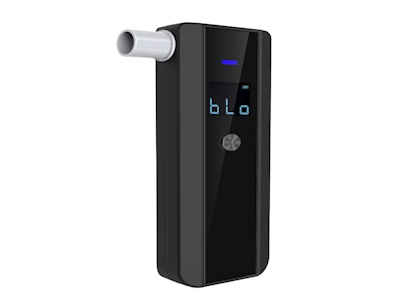
В современном мире, где скорость и мобильность стали неотъемлемой частью повседневной жизни, проблема вождения в нетрезвом состоянии остается одной из наиболее серьезных угроз для общественной безопасности. Каждый год миллионы людей по всему миру становятся жертвами дорожно-транспортных происшествий (ДТП), вызванных алкогольным опьянением. Эти трагедии не только уносят жизни, но и оставляют глубокие шрамы на семьях и сообществах. Однако, благодаря технологическому прогрессу, у нас появился мощный инструмент для борьбы с этой проблемой – алкотестер. Эти устройства, часто воспринимаемые как простые гаджеты, на самом деле играют ключевую роль в спасении жизней, работая без перерыва, день за днем, чтобы обеспечить безопасность на дорогах. В этой статье мы подробно рассмотрим, как алкотестеры функционируют, их историю, технологические аспекты, правовые рамки, социальное воздействие и будущие перспективы, демонстрируя их незаменимую ценность в современном обществе.
Исторический контекст: От простых тестов к высокотехнологичным решениям
Идея измерения уровня алкоголя в организме не нова. Еще в древние времена люди пытались определить степень опьянения, используя примитивные методы, такие как наблюдение за поведением или простые дыхательные тесты. Однако настоящий прорыв произошел в середине XX века, когда были разработаны первые электронные алкотестеры. В 1954 году Роберт Боркенштейн, американский профессор и изобретатель, создал «дыхательный анализатор», который стал прообразом современных устройств. Этот прибор позволял измерять концентрацию алкоголя в выдыхаемом воздухе, предоставляя объективные данные вместо субъективных оценок. С тех пор технология значительно эволюционировала: от громоздких лабораторных установок до компактных, портативных устройств, которые могут использоваться в любых условиях. Развитие микропроцессоров и сенсорных технологий в 1980-х и 1990-х годах позволило создать алкотестеры с высочайшей точностью и надежностью. Сегодня эти устройства интегрированы в повседневную жизнь – от полицейских проверок до личного использования водителями, что делает их неотъемлемой частью глобальной борьбы за безопасность на дорогах. Исторический путь алкотестеров отражает общее стремление человечества к инновациям, направленным на сохранение жизней, и подчеркивает, как technology can be harnessed for the greater good.
Как работают алкотестеры: Технология за кулисами
Основной принцип работы алкотестера основан на измерении концентрации этанола (алкоголя) в выдыхаемом воздухе. Когда человек употребляет алкоголь, он всасывается в кровь через желудок и кишечник, а затем частично выводится через легкие в виде паров. Алкотестер использует это свойство, анализируя образец дыхания. Существует несколько типов датчиков, используемых в этих устройствах. Наиболее распространены полупроводниковые датчики, которые работают на основе изменения электрического сопротивления при контакте с алкоголем. Более advanced модели используют электрохимические датчики, обеспечивающие higher accuracy by measuring the electrochemical reaction between alcohol and a sensing element. For instance, in electrochemical sensors, alcohol oxidizes on a electrode, producing a current proportional to the alcohol concentration. This data is then processed by a microprocessor, which converts it into a readable output, usually in units of BAC (Blood Alcohol Concentration), such as grams per liter or promille. Modern алкотестеры often include features like Bluetooth connectivity for data logging, GPS for location tracking, and even AI algorithms to detect tampering or false readings. Calibration is crucial for accuracy; devices must be regularly calibrated using certified ethanol solutions to ensure reliability. The entire process is designed to be quick and non-invasive, taking only a few seconds to provide a result. This technological sophistication ensures that алкотестеры can deliver precise measurements, critical for legal and safety purposes, and highlights how engineering innovations contribute directly to saving lives by preventing impaired driving.
Правовые основы: Законы и регулирование использования алкотестеров
Использование алкотестеров tightly regulated by laws worldwide to ensure their effectiveness and fairness. In many countries, legal limits for BAC are set to define drunken driving. For example, in Russia, the legal limit is 0.16 milligrams per liter of exhaled air or 0.3 grams per liter of blood, equivalent to approximately 0.3 promille. Exceeding these limits can result in severe penalties, including fines, license suspension, or even imprisonment. Алкотестеры play a vital role in enforcement; police officers use them during roadside checks to quickly assess drivers' sobriety. The devices must meet specific standards, such as those set by organizations like the National Highway Traffic Safety Administration (NHTSA) in the US or similar bodies in other regions, to be admissible in court. Additionally, there are laws governing the use of personal алкотестеры. While they are not always legally binding for evidence, they serve as a preventive tool. For instance, many companies implement alcohol testing policies for employees in safety-critical jobs, using алкотестеры to ensure workplace safety. The legal框架 also addresses issues like calibration requirements, data privacy, and the rights of individuals during testing. This regulatory environment ensures that алкотестеры are used ethically and effectively, contributing to a reduction in alcohol-related accidents. By aligning technology with law, societies can create a safer environment where devices like алкотестеры act as guardians of public health, continuously working to save lives without interruption.
Социальное воздействие: Как алкотестеры меняют поведение и спасают жизни
Воздействие алкотестеров на общество profound and multifaceted. On an individual level, these devices empower people to make informed decisions about driving. By providing immediate feedback on alcohol levels, они help prevent impulsive actions that could lead to accidents. Studies have shown that the mere presence of алкотестеры can deter drinking and driving. For example, in countries with strict enforcement and widespread use of these devices, there has been a significant decrease in alcohol-related fatalities. According to the World Health Organization, interventions like random breath testing using алкотестеры can reduce drink-driving deaths by up to 20%. On a broader scale, алкотестеры contribute to cultural shifts towards responsible alcohol consumption. They are often used in educational campaigns in schools and communities to raise awareness about the dangers of impaired driving. Moreover, in the workplace, especially in industries like transportation or construction, mandatory alcohol testing with алкотестеры has saved countless lives by ensuring that employees are fit for duty. The social benefits extend beyond direct accident prevention; they include reduced healthcare costs, lower insurance premiums, and improved overall public safety. By fostering a culture of accountability and prevention, алкотестеры serve as a constant reminder that every life is valuable, and their uninterrupted operation every day is a testament to human ingenuity in the fight against preventable tragedies.
Технологические инновации и будущее алкотестеров
Будущее алкотестеров looks promising with ongoing technological advancements. Innovations are focused on enhancing accuracy, portability, and integration with other systems. For instance, the development of smartphone-connected алкотестеры allows users to track their alcohol levels over time and share data with friends or authorities if needed. Artificial intelligence is being incorporated to improve detection algorithms, reducing false positives and adapting to individual variations in metabolism. There is also research into non-invasive methods, such as wearable sensors that can continuously monitor BAC through sweat or saliva, providing real-time alerts. In the automotive industry, some car manufacturers are exploring built-in алкотестеры that prevent the vehicle from starting if the driver is impaired. These systems, known as ignition interlock devices, are already mandatory for repeat offenders in many regions and could become standard in all vehicles in the future. Additionally, the integration of алкотестеры with smart city infrastructure could enable dynamic traffic management based on sobriety data, further reducing risks. As technology evolves, the cost of these devices is decreasing, making them more accessible to the general public. This democratization of safety technology means that алкотестеры will continue to save lives on an even larger scale, operating without interruption to protect communities worldwide. The future holds the potential for a world where drunk driving is virtually eliminated, thanks to the relentless innovation behind these life-saving devices.
Заключение: Непрерывная миссия по спасению жизней
В заключение, алкотестеры represent a critical intersection of technology, law, and social responsibility. Their ability to provide accurate, immediate measurements of alcohol levels has revolutionized the fight against drunk driving, saving countless lives every day without pause. From their historical origins to modern innovations, these devices have proven to be indispensable tools in promoting road safety and public health. The legal frameworks ensure their proper use, while societal adoption fosters a culture of prevention and accountability. As we look to the future, continued advancements will only enhance their effectiveness, making our roads safer for everyone. It is essential to recognize and support the role of алкотестеры in our daily lives – they are not just machines but silent guardians working tirelessly to protect us. By embracing this technology, we can move closer to a world where alcohol-related accidents are a thing of the past, and every journey is safe. Remember, the next time you see an алкотестер, it might be the reason someone gets home safely tonight. Их миссия по спасению жизней продолжается каждый день, без перерыва, и мы все должны быть благодарны за это.