
- Мобильные телефоны:
- 1388xx888xx
- Телефон:
- 1388xx888xx
- Почтовый ящик:
- 1388xx888xx@gmail.com
- Адрес:
- Jinsuo Road, Xuesong Road, Zhengzhou, Henan, China
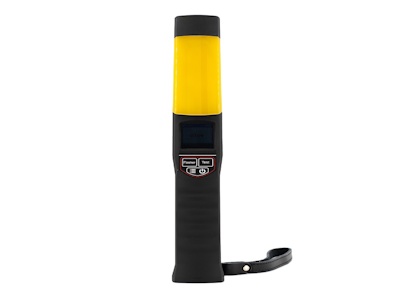
В современном мире, где безопасность на дорогах становится все более важной проблемой, выдыхаемый алкотестер играет ключевую роль в предотвращении вождения в нетрезвом состоянии. Это устройство, которое измеряет концентрацию алкоголя в выдыхаемом воздухе, предоставляя быстрый и относительно точный результат. В этой статье мы подробно рассмотрим, что такое выдыхаемый алкотестер, как он работает, его преимущества и ограничения, а также его влияние на общество. Мы углубимся в научные основы, историю развития, сравнительный анализ с другими методами тестирования, и обсудим юридические и этические аспекты его использования. Цель — повысить осведомленность и способствовать ответственному поведению за рулем.
Введение в тему
Алкотестеры, или устройства для измерения алкоголя в выдыхаемом воздухе, стали неотъемлемой частью дорожной безопасности во многих странах. Они используются правоохранительными органами, работодателями и даже частными лицами для проверки уровня опьянения. Но что именно представляет собой этот прибор? По сути, алкотестер — это портативное устройство, которое анализирует выдыхаемый воздух на наличие этанола, основного компонента алкогольных напитков. Принцип его работы основан на химических реакциях или электронных сенсорах, которые преобразуют концентрацию алкоголя в измеримый сигнал, обычно выражаемый в промилле или миллиграммах на литр.
История алкотестеров насчитывает несколько десятилетий. Первые устройства появились в середине XX века и были довольно громоздкими и неточными. Однако с развитием технологий, особенно в области микроэлектроники и сенсоров, современные алкотестеры стали компактными, надежными и доступными. Это сделало их широко применяемыми не только в правоохранительной практике, но и в быту, например, для самоконтроля перед вождением.
Важность алкотестеров невозможно переоценить. Согласно статистике Всемирной организации здравоохранения, вождение в нетрезвом состоянии является одной из ведущих причин дорожно-транспортных происшествий во всем мире. Ежегодно тысячи людей гибнут или получают травмы из-за алкогольного опьянения за рулем. Алкотестеры помогают снизить эти риски, предоставляя объективные данные о состоянии водителя. Это не только инструмент для наказания, но и средство профилактики, побуждающее людей быть более ответственными.
В этой статье мы рассмотрим различные аспекты выдыхаемых алкотестеров. Начнем с основного вопроса: как они работают? Затем обсудим типы алкотестеров, их точность, преимущества и недостатки. Мы также затронем юридические нормы, регулирующие их использование, и этические соображения, такие как конфиденциальность и потенциальные злоупотребления. В конечном счете, цель — предоставить всестороннее понимание этого устройства и его роли в современном обществе.
Принцип работы выдыхаемого алкотестера
Основной принцип работы алкотестера заключается в анализе выдыхаемого воздуха на содержание алкоголя. Когда человек употребляет алкоголь, этанол всасывается в кровь через желудок и кишечник, а затем частично выводится через легкие в виде паров. Концентрация алкоголя в выдыхаемом воздухе пропорциональна его концентрации в крови, что позволяет использовать эту корреляцию для измерения.
Существует два основных типа алкотестеров: химические и электронные. Химические алкотестеры, также известные как дыхательные тесты с использованием реактивов, основаны на реакции этанола с химическими веществами, такими как дихромат калия. При выдохе воздуха в устройство этанол окисляется, вызывая изменение цвета индикатора, которое можно измерить визуально или с помощью фотометра. Эти устройства были популярны в прошлом, но сегодня largely replaced by electronic ones due to their higher accuracy and convenience.
Электронные алкотестеры используют сенсоры, такие как полупроводниковые или fuel cell sensors, для detection алкоголя. Полупроводниковые сенсоры работают на основе изменения электрического сопротивления при adsorption молекул этанола на поверхность сенсора. Fuel cell sensors, более точные и дорогие, используют electrochemical reaction: этанол окисляется на аноде, producing электрический ток, proportional to концентрации алкоголя. Этот ток измеряется и converted в цифровое значение, обычно displayed на экране устройства.
Процесс измерения typically involves несколько шагов. Сначала пользователь должен подуть в мундштук устройства в течение определенного времени, обычно 5-10 секунд. Это ensures, что образец воздуха representative of глубокого выдоха из легких, where концентрация алкоголя наиболее стабильна. Устройство then analyzes воздух, и результат appears почти мгновенно. Modern алкотестеры often include features like калибровка, память для хранения результатов, и даже connectivity с smartphones для записи данных.
Точность алкотестеров зависит от multiple factors, including calibration, environmental conditions, и proper использование. Например, температура и влажность могут affect readings, так же как и наличие других веществ во рту, таких как остатки пищи или курение. Поэтому важно следовать инструкциям производителя для получения reliable результатов. Регулярная калибровка, typically required every 6-12 months, ensures that the device remains accurate over time.
В comparison с другими методами тестирования алкоголя, such as blood tests или urine tests, выдыхаемые алкотестеры offer преимущества скорости и non-invasiveness. Blood tests считаются gold standard для точности, но они invasive и require медицинский personnel. Urine tests менее invasive, но могут be less accurate due to variations в excretion. Алкотестеры provide a quick screening tool that can be used on the spot, making them ideal for law enforcement and personal use.
Однако, алкотестеры не without limitations. Они могут give false positives if пользователь недавно использовал mouthwash или другие products containing alcohol. Additionally, некоторые medical conditions, such as diabetes, can produce acetone в дыхании, который может be mistaken for ethanol некоторыми sensors. Поэтому positive результаты often confirm с more accurate methods like blood tests в legal contexts.
Несмотря на эти limitations, выдыхаемые алкотестеры remain invaluable tools. Their development continues to advance, with research focusing on improving sensor technology, reducing costs, and enhancing portability. For instance, wearable алкотестеры integrated into vehicles are being tested to prevent drunk driving automatically by disabling the ignition if alcohol is detected.
Типы выдыхаемых алкотестеров
Выдыхаемые алкотестеры можно classified into several categories based on their technology, intended use, and accuracy. Understanding these types helps in choosing the right device for specific needs.
First, there are personal алкотестеры, designed for individual use. These are often compact, affordable, and easy to use. They are popular among people who want to check their alcohol level before driving or after drinking. Personal алкотестеры typically use semiconductor sensors, which are cost-effective but may be less accurate than professional models. They are great for rough estimates but should not be relied upon for legal purposes.
Professional алкотестеры are used by law enforcement and employers. These devices are more accurate, reliable, and often certified by government agencies. They usually employ fuel cell sensors, which provide higher precision and are less affected by environmental factors. Professional models may include features like data logging, printer attachments for generating reports, and tamper-proof designs to prevent manipulation.
Another category is disposable алкотестеры, which are single-use devices often used in situations where hygiene is a concern, such as at events or in medical settings. These are based on chemical reactions and provide a simple yes/no indication of alcohol presence. They are inexpensive but lack the quantitative accuracy of electronic devices.
In recent years, smart алкотестеры have emerged, integrating with mobile apps and IoT technology. These devices can sync results to a smartphone, track trends over time, and even share data with authorities or insurance companies. This connectivity enhances accountability and can be used in programs like ignition interlock devices, which require a sober breath sample to start a vehicle.
The choice of алкотестер depends on the application. For personal safety, a basic model might suffice, but for legal or employment screening, a certified professional device is necessary. It's important to consider factors like cost, accuracy, ease of use, and maintenance requirements when selecting an алкотестер.
Moreover, there are differences in regional standards. For example, in Russia, алкотестеры used by police must meet specific accuracy criteria set by regulations. Users should ensure that any device they purchase complies with local laws to avoid legal issues.
Overall, the variety of алкотестеры available today reflects their growing importance in promoting road safety and public health. As technology evolves, we can expect even more advanced and integrated solutions in the future.
Преимущества использования выдыхаемых алкотестеров
Использование выдыхаемых алкотестеров offers numerous benefits, both for individuals and society as a whole. These advantages contribute to their widespread adoption and effectiveness in reducing alcohol-related incidents.
One of the primary benefits is immediacy. Алкотестеры provide results within seconds, allowing for quick decision-making. This is crucial in situations like traffic stops, where officers need to assess a driver's condition rapidly. It also helps individuals make informed choices about driving after drinking, potentially preventing accidents before they happen.
Non-invasiveness is another key advantage. Unlike blood tests, which require needles and can be uncomfortable, breath tests are simple and painless. This makes them more acceptable to users and easier to administer in various settings, from roadside checks to workplace screenings.
Cost-effectiveness is also significant. While high-end professional алкотестеры can be expensive, personal models are affordable for most people. This accessibility encourages regular use and awareness. In the long run, the cost of алкотестеры is outweighed by the savings from reduced accidents, medical expenses, and legal costs associated with drunk driving.
Алкотестеры also serve as a deterrent. The knowledge that one might be tested can discourage people from driving under the influence. This psychological effect contributes to behavioral change and promotes responsible drinking habits.
From a public health perspective, алкотестеры help in data collection and research. By monitoring alcohol levels in populations, authorities can identify trends, target interventions, and evaluate the effectiveness of policies. For example, statistics from алкотестер usage can inform campaigns against drunk driving and support legislative changes.
Additionally, алкотестеры are versatile. They can be used in various contexts beyond driving, such as in workplaces to ensure safety in hazardous environments, or in healthcare to monitor patients with alcohol-related issues. This flexibility enhances their utility and impact.
However, it's important to note that алкотестеры are not foolproof. They should be used as part of a broader strategy that includes education, enforcement, and support for addiction treatment. When combined with other measures, алкотестеры amplify their benefits and contribute to a safer society.
In summary, the advantages of выдыхаемые алкотестеры make them invaluable tools in the fight against drunk driving. Their speed, ease of use, and cost-effectiveness empower individuals and authorities to take proactive steps towards safety.
Ограничения и challenges
Despite their benefits, выдыхаемые алкотестеры have several limitations and face challenges that need to be addressed for optimal use.
Accuracy is a major concern. While modern алкотестеры are highly accurate, they can still produce errors due to factors like improper use, environmental conditions, or interference from other substances. For instance, mouth alcohol from recent drinking or use of mouthwash can lead to false high readings. This is why many devices require a waiting period or deep lung air sample to minimize such errors.
Calibration and maintenance are essential for reliability. Алкотестеры drift over time and require regular calibration to maintain accuracy. This can be costly and inconvenient, especially for personal users who may not be aware of the need. Failure to calibrate can result in inaccurate results, potentially leading to wrongful accusations or missed detections.
Legal and ethical issues also arise. The use of алкотестеры by law enforcement must balance public safety with individual rights. Questions about privacy, consent, and the admissibility of breath test results in court are ongoing debates. In some jurisdictions, refusal to take a breath test can lead to penalties, raising concerns about coercion.
Technological limitations persist. While fuel cell sensors are accurate, they are more expensive and may not be accessible to all. Semiconductor sensors, though cheaper, are less precise and can be affected by temperature and humidity. Research is needed to develop more robust and affordable sensors.
Human factors play a role too. Users may not follow instructions correctly, such as blowing insufficiently or too hard, affecting the results. Education and training are crucial to ensure proper use.
Moreover, алкотестеры cannot detect drugs or other impairing substances, limiting their scope. Integrated devices that test for multiple substances are being developed but are not yet widespread.
Despite these challenges, ongoing advancements in technology and regulation are improving алкотестеры. For example, the integration of AI and machine learning can enhance accuracy by compensating for environmental variables. Stricter standards and certification processes help ensure device reliability.
In conclusion, while выдыхаемые алкотестеры are powerful tools, their effectiveness depends on addressing these limitations through technology, education, and thoughtful policy-making.
Юридические аспекты и регулирование
Использование выдыхаемых алкотестеров heavily regulated by laws and standards to ensure fairness and accuracy in legal contexts.
In many countries, including Russia, specific legal limits for blood alcohol concentration (BAC) are set, and алкотестеры are used to enforce these limits. For example, in Russia, the legal BAC limit for drivers is 0.16 milligrams per liter in breath or 0.3 promille in blood. Exceeding this limit can result in fines, license suspension, or criminal charges.
Law enforcement agencies use certified алкотестеры that meet government standards. These devices must undergo regular calibration and testing to maintain their certification. Results from these devices are generally admissible in court as evidence, provided that proper procedures were followed during administration.
Refusal to take a breath test is often treated seriously. In many jurisdictions, refusal can lead to immediate penalties, such as license revocation, based on the principle of implied consent—where by driving, individuals agree to sobriety tests.
Employment law also involves алкотестеры, especially in industries where safety is critical, like transportation or construction. Employers may implement random or post-accident testing, but must comply with labor laws and respect employee privacy. This requires clear policies and consent from employees.
Ethical considerations include ensuring that testing is not discriminatory and that results are used fairly. There have been cases of false positives leading to unjust outcomes, highlighting the need for safeguards like confirmation with blood tests.
International standards, such as those from organizations like the International Organization for Standardization (ISO), provide guidelines for алкотестер accuracy and performance. Countries adopt these standards to harmonize regulations and facilitate cross-border enforcement.
As technology evolves, laws must adapt. For instance, the rise of smart алкотестеры and data privacy concerns require updates to legislation to protect personal information while promoting safety.
Overall, the legal framework surrounding алкотестеры aims to balance public safety with individual rights, and continuous review is necessary to address emerging issues.
Будущее выдыхаемых алкотестеров
The future of выдыхаемые алкотестеры looks promising with advancements in technology and increasing integration into daily life.
One trend is the development of more accurate and affordable sensors. Nanotechnology and improved materials could lead to sensors that are highly sensitive, specific to ethanol, and resistant to environmental interference. This would reduce false readings and enhance reliability.
Connectivity and IoT integration will play a bigger role. Smart алкотестеры that sync with vehicles, smartphones, and cloud platforms can provide real-time monitoring and data analytics. For example, insurance companies might offer discounts for drivers who use connected алкотестеры to demonstrate sober driving habits.
Wearable devices are another area of growth. Alco-bracelets or integrated systems in cars that continuously monitor breath alcohol could prevent drunk driving by automatically alerting the user or disabling the vehicle. These systems are already in use in some countries as part of ignition interlock programs.
Research is also exploring multi-substance detection. Future алкотестеры might be able to detect not only alcohol but also drugs like cannabis or opioids, addressing a broader range of impairing substances.
Public awareness and education will continue to be important. As алкотестеры become more common, efforts to teach proper use and interpretation of results will help maximize their benefits.
Challenges remain, such as ensuring privacy and preventing misuse. Regulations will need to evolve to keep pace with technological changes, protecting individuals while promoting safety.
In the long term, алкотестеры could become standard equipment in all vehicles, much like seat belts, contributing to a significant reduction in alcohol-related accidents.
By embracing innovation and addressing challenges, выдыхаемые алкотестеры will remain vital tools in promoting road safety and public health.
Заключение
В заключение, выдыхаемый алкотестер — это мощное устройство, которое играет crucial роль в обеспечении безопасности на дорогах и beyond. Его способность быстро и non-invasively измерять уровень алкоголя делает его indispensable для law enforcement, employers, и individuals. Несмотря на limitations, такие как potential inaccuracies и legal complexities, ongoing advancements в technology и regulation continuously improve его reliability и usefulness.
Key takeaways include the importance of using алкотестеры responsibly, understanding их principles работы, и adhering to legal standards. Education и awareness are essential to maximize benefits и minimize risks.
As we look to the future, integration с smart technologies и multi-substance detection will expand their capabilities. Ultimately, выдыхаемые алкотестеры represent a critical tool in the global effort to reduce drunk driving and promote a safer, healthier society.
By fostering a culture of responsibility and leveraging technology, we can harness the full potential of these devices to save lives and prevent tragedies.