

- Мобильные телефоны:
- 1388xx888xx
- Телефон:
- 1388xx888xx
- Почтовый ящик:
- 1388xx888xx@gmail.com
- Адрес:
- Jinsuo Road, Xuesong Road, Zhengzhou, Henan, China
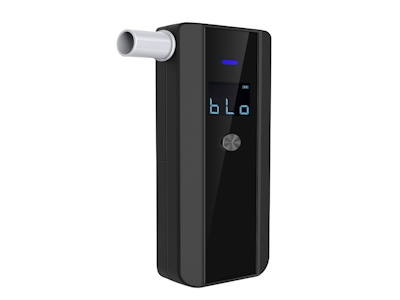
В современном мире, где технологии стремительно развиваются, алкогольные тестеры стали неотъемлемой частью нашей жизни. Они используются в различных сферах, от дорожного движения до медицины, и их эффективность напрямую зависит от точности и надежности сенсоров. Недавние инновации в области газовых сенсоров кардинально изменили ландшафт этой отрасли, предлагая улучшенную производительность, большую точность и новые возможности. В этой статье мы глубоко погрузимся в тему, исследуя, как новые сенсоры газа трансформируют алкогольные тестеры, анализируя их преимущества, вызовы и будущие перспективы.
Алкогольные тестеры, или алкотестеры, — это устройства, предназначенные для измерения концентрации алкоголя в выдыхаемом воздухе. Они работают на основе различных технологий, таких как electrochemical sensors, semiconductor sensors, и infrared spectroscopy. Однако традиционные сенсоры часто сталкивались с ограничениями, включая низкую точность, медленное время отклика и susceptibility к environmental factors. Новые газовые сенсоры, разработанные с использованием advanced materials и nanotechnology, address these issues, обеспечивая более быстрые и точные измерения.
Одним из ключевых преимуществ новых сенсоров является их повышенная чувствительность. Они способны detect даже минимальные концентрации алкоголя, что делает их идеальными для применения в law enforcement, где точность критически важна для предотвращения drunk driving. Кроме того, эти сенсоры менее подвержены interference от других gases, таких как acetone или methane, которые часто присутствуют в дыхании и могут lead to false positives в старых моделях.
Another significant improvement is the reduced size and power consumption of these new sensors. This allows for the development of portable and wearable alcohol testers that can be used in real-time monitoring applications. For example, individuals with alcohol dependency can use these devices to track their consumption and receive alerts when levels exceed safe limits. This not only promotes personal health but also supports rehabilitation efforts.
В медицинской сфере новые сенсоры открывают doors for non-invasive monitoring of patients. Doctors can use advanced alcohol testers to quickly assess a patient's condition without the need for blood tests, which are more invasive and time-consuming. This is particularly useful in emergency situations where speed is of the essence.
However, the adoption of these new sensors is not without challenges. Cost is a major factor, as advanced sensors tend to be more expensive to produce. This could limit their accessibility in developing regions or for individual consumers. Additionally, calibration and maintenance requirements are higher, necessitating regular checks to ensure accuracy over time.
Despite these challenges, the future looks bright for alcohol testers with new gas sensors. Ongoing research is focused on improving affordability and durability. Integration with IoT and smartphone technology is another exciting trend, allowing for data logging and remote monitoring. This connectivity enables authorities to collect and analyze data on alcohol consumption patterns, which can inform public health policies and traffic safety measures.
In conclusion, the introduction of new gas sensors in alcohol testers represents a paradigm shift in the field. These innovations enhance accuracy, reliability, and functionality, making the devices more effective in promoting safety and health. As technology continues to evolve, we can expect even more advancements that will further revolutionize how we monitor and manage alcohol consumption. It is crucial for stakeholders, including governments, manufacturers, and consumers, to embrace these changes and work together to maximize the benefits while addressing the associated challenges.
This article has provided a comprehensive overview, but the topic is vast and warrants continued exploration. For those interested in delving deeper, we recommend consulting technical journals and industry reports for the latest developments.