


- Мобильные телефоны:
- 1388xx888xx
- Телефон:
- 1388xx888xx
- Почтовый ящик:
- 1388xx888xx@gmail.com
- Адрес:
- Jinsuo Road, Xuesong Road, Zhengzhou, Henan, China
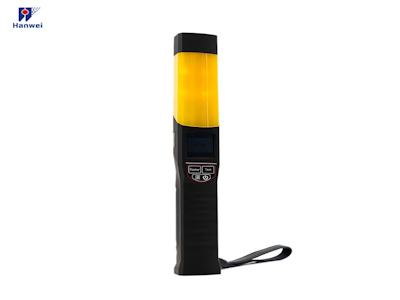
Добро пожаловать в мир точных измерений! Если вы владелец алкотестера, будь то для личного использования или профессиональных нужд, вы знаете, насколько важно получать достоверные результаты. Неправильная калибровка может привести к серьезным ошибкам, влияющим на безопасность и юридические последствия. В этой статье мы раскроем 10 секретов, которые помогут вам достичь максимальной точности вашего устройства. От выбора правильного оборудования до тонкостей процесса калибровки — мы cover it all! Let's dive in.
Секрет 1: Понимание основ калибровки
Калибровка алкотестера — это процесс настройки устройства для обеспечения точности измерений концентрации алкоголя в выдыхаемом воздухе. Она основывается на сравнении показаний прибора с эталонным значением, обычно используя сертифицированные растворы или газы. Почему это так важно? Без регулярной калибровки алкотестер может давать заниженные или завышенные результаты, что чревато рисками для здоровья и правовыми проблемами. Например, водитель, полагаясь на неоткалиброванное устройство, может underestimate свое состояние и сесть за руль, подвергая опасности себя и других. Регулярная калибровка — залог надежности.
Процесс typically involves введение известного количества алкоголя в устройство и корректировку его внутренних настроек. Modern алкотестеры often имеют built-in функции для упрощения этого, но understanding the basics поможет вам avoid common mistakes.
Совет: Всегда refer to руководству пользователя вашего specific модели для точных instructions.
Секрет 2: Выбор правильного калибровочного оборудования
Не все калибровочные наборы созданы equal. Для точности essential использовать сертифицированные эталонные растворы или газы с известной концентрацией алкоголя. Эти растворы обычно имеют концентрацию around 0.10% или 0.15%, что соответствует legal limits в many странах. Избегайте дешевых alternatives, так как они may not быть accurately calibrated themselves, leading to cascade errors. Invest in quality equipment from reputable brands — it pays off in long-term reliability.
Additionally, ensure that your calibration equipment is stored properly. Exposure to extreme temperatures or sunlight can degrade the solutions, affecting their accuracy. Always check expiration dates and replace components as needed.
A good calibration kit should include everything you need: the reference solution, a adapter for your breathalyzer, and clear instructions. Don't skip on this — it's the foundation of accuracy.
Секрет 3: Учет температурных условий
Temperature plays a crucial role in calibration accuracy. Most breathalyzers are designed to operate within a specific temperature range, typically between 10°C and 40°C. If you calibrate outside this range, the results may be skewed. For instance, calibrating in a cold environment can cause the sensor to respond slower, leading to underestimation. Always perform calibration in a stable, room-temperature environment to minimize variables.
Moreover, allow your device to acclimate to the ambient temperature before starting. If you've been carrying it in a cold car, give it time to warm up. This small step can make a big difference in precision.
Совет: Use a thermometer to monitor the environment during calibration. It's a simple tool that can prevent major errors.
Секрет 4: Определение оптимальной частоты калибровки
How often should you calibrate your breathalyzer? It depends on usage and manufacturer recommendations. For personal devices, calibration every 6-12 months is typical, but if you use it frequently (e.g., daily), consider doing it every 3-6 months. Professional models used in law enforcement may require monthly or even weekly calibration. Over-calibration can wear out the sensor, while under-calibration risks inaccuracy. Track your usage and set a reminder — consistency is key.
Signs that your device needs calibration include inconsistent readings or failure to pass self-tests. Don't wait for problems to arise; proactive maintenance ensures reliability.
Remember, calibration frequency is not one-size-fits-all. Check your device's manual for specific guidelines tailored to its design.
Секрет 5: Правильная техника выполнения калибровки
The actual process of calibration varies by model, but general steps include: turning on the device, selecting calibration mode, introducing the reference solution or gas, and following on-screen prompts. Ensure you do this in a clean, dry area to avoid contamination. For example, moisture or debris in the breath inlet can affect results. Always use fresh calibration solutions — never reuse or mix old ones.
During calibration, hold the device steady and avoid sudden movements. This helps the sensor get a consistent reading. After completion, run a test with the reference to verify accuracy. If it doesn't match, repeat the process.
Совет: Practice makes perfect. If you're new to calibration, do a trial run with guidance to build confidence.
Секрет 6: Использование сертифицированных эталонов
Certified reference materials are essential for traceability and accuracy. Look for solutions or gases that meet international standards like those from NIST (National Institute of Standards and Technology) or similar bodies in your region. Using uncertified references can lead to legal issues if your device is used in official contexts. For instance, in some countries, breathalyzer results are admissible in court only if calibrated with certified equipment.
Keep documentation of your calibration events, including dates and reference batch numbers. This not only ensures compliance but also helps in troubleshooting if accuracy issues arise later.
Invest in certified references — they might cost more, but the peace of mind and reliability are worth it.
Секрет 7: Учет влажности и других environmental факторов
Humidity can impact breathalyzer readings because it affects how alcohol vapor behaves. High humidity might dilute the sample, leading to lower readings, while low humidity could concentrate it. During calibration, try to mimic the conditions in which you'll use the device. If you often test in humid environments, calibrate under similar conditions for best results.
Other factors like altitude or air pressure can also play a role, though modern devices often compensate for these. Still, being aware of your environment helps in interpreting results accurately.
Совет: If you live in a variable climate, consider calibrating seasonally to account for changes in humidity and temperature.
Секрет 8: Регулярное обслуживание и очистка устройства
Calibration is not just about adjusting settings; it's part of overall maintenance. Keep your breathalyzer clean by regularly wiping the mouthpiece and sensors with alcohol-free wipes. Dirt or residue can cause drift in readings over time. Additionally, check for software updates if your device supports them, as manufacturers may improve calibration algorithms.
Store the device in a protective case when not in use to prevent physical damage. A well-maintained breathalyzer will hold its calibration longer and perform more reliably.
Think of calibration as a tune-up for your car — it works best when combined with regular care.
Секрет 9: Понимание legal и safety аспектов
In many jurisdictions, the use of breathalyzers, especially for legal purposes, requires that they be properly calibrated and certified. Familiarize yourself with local laws to avoid penalties. For example, in Russia, devices used by police must meet specific standards and undergo regular calibration by authorized personnel. Even for personal use, inaccurate results could lead to dangerous decisions, such as driving under the influence.
Always use your breathalyzer as a guide, not a definitive measure. If in doubt, err on the side of caution and avoid driving. Safety should always come first.
Совет: Consult legal resources or professionals if you plan to use your breathalyzer for official purposes to ensure compliance.
Секрет 10: Тестирование и верификация после калибровки
After calibrating, don't assume everything is perfect. Test your device with a known sample to verify accuracy. For instance, use a separate reference solution or have a sober person test it to confirm readings are near zero. If possible, compare results with another calibrated device for cross-verification.
Keep a log of these tests to track performance over time. This proactive approach helps catch issues early and maintains confidence in your device's readings.
In conclusion, accurate calibration is the heart of a reliable breathalyzer. By following these 10 secrets, you can ensure your device provides trustworthy results, enhancing safety and peace of mind. Remember, investing time in proper calibration saves you from potential risks down the road.
Thank you for reading! If you found this helpful, share it with others who might benefit. For more tips on breathalyzer maintenance, check out our other articles or contact our support team. Drive safe and stay informed!