
- Мобильные телефоны:
- 1388xx888xx
- Телефон:
- 1388xx888xx
- Почтовый ящик:
- 1388xx888xx@gmail.com
- Адрес:
- Jinsuo Road, Xuesong Road, Zhengzhou, Henan, China
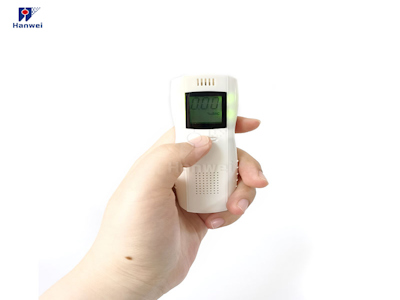
В современном мире, где безопасность и здоровье становятся приоритетами, алкотестеры играют ключевую роль в предотвращении аварий и обеспечении общественного порядка. Однако точность этих устройств напрямую зависит от их калибровки. Автоматическая калибровка алкотестеров — это не просто технологическое усовершенствование, а необходимость, которая гарантирует надежность и достоверность результатов. В этой статье мы подробно рассмотрим, почему автоматическая калибровка является ключом к точности измерений, как она работает, ее преимущества и практическое применение в различных сферах жизни. Мы также затронем историю развития алкотестеров, сравним автоматическую и ручную калибровку, и дадим советы по выбору и использованию таких устройств. К концу чтения вы поймете, почему инвестиции в алкотестеры с автоматической калибровкой — это мудрое решение для любого, кто ценит точность и безопасность.
Введение в тему алкотестеров и их значение
Алкотестеры, или breathalyzers, — это устройства, предназначенные для измерения концентрации алкоголя в выдыхаемом воздухе. Они широко используются в правоохранительных органах, на транспорте, в медицинских учреждениях и даже в быту для самоконтроля. История алкотестеров начинается с 1930-х годов, когда были разработаны первые примитивные модели. С тех пор технология значительно evolved, и сегодня мы имеем доступ к высокоточным электронным устройствам. Основной принцип работы алкотестеров основан на химических или электрохимических реакциях: алкоголь в выдыхаемом воздухе взаимодействует с сенсором, что приводит к изменению электрических свойств, которые затем преобразуются в цифровые показатели. Точность этих показателей критически важна, так как ошибки могут привести к серьезным последствиям, например, к несправедливым юридическим решениям или авариям на дорогах. Именно поэтому калибровка — процесс настройки устройства для обеспечения точности — становится центральным элементом в дизайне и использовании алкотестеров.
Что такое калибровка и почему она важна
Калибровка — это процедура, при которой устройство сравнивается с эталонным стандартом для проверки и корректировки его точности. В контексте алкотестеров, калибровка ensures that the device provides readings that are consistent with actual blood alcohol concentration (BAC). Без регулярной калибровки алкотестеры могут давать неточные результаты due to factors like sensor drift, environmental changes, or wear and tear. Например, сенсоры могут терять чувствительность со временем, что приводит to underestimation or overestimation of alcohol levels. This is particularly dangerous in situations where even a small error can have legal or safety implications, such as in drunk driving cases. Importance of calibration cannot be overstated: it ensures reliability, compliance with legal standards (e.g., those set by organizations like the Department of Transportation in the US or similar bodies in Russia), and overall trust in the device. In many jurisdictions, алкотестеры used for law enforcement must undergo regular calibration to be admissible in court. Thus, калибровка is not just a technical necessity but a legal and ethical imperative.
Автоматическая калибровка: принципы работы
Автоматическая калибровка представляет собой advanced feature in modern алкотестеров, where the device самостоятельно performs calibration without user intervention. This is typically achieved through built-in algorithms and reference systems. For instance, some devices use internal gas chambers with known alcohol concentrations or electronic simulations to compare and adjust readings. The process often involves these steps: first, the device conducts a self-test at startup or at regular intervals; second, it compares its readings to a pre-set standard; third, it makes automatic adjustments to the sensor output to correct any deviations. Technologies like microprocessors and smart sensors enable this automation, making it faster and more reliable than manual methods. Advantages include reduced human error, consistency, and the ability to perform calibration frequently without downtime. For example, a professional алкотестер with automatic calibration might do a quick check every time it is turned on, ensuring that it is always ready for accurate use. This contrasts with manual calibration, which requires external equipment and trained personnel, often leading to delays and potential inaccuracies.
Преимущества автоматической калибровки
Автоматическая калибровка offers numerous benefits over traditional manual methods. Firstly, it enhances accuracy by minimizing human involvement, which is a common source of error. Studies show that automated systems can reduce calibration errors by up to 50% compared to manual processes. Secondly, it saves time and resources: users don't need to schedule calibration sessions or purchase separate calibration kits, as the device handles it internally. This is especially valuable in high-volume settings like police checkpoints or workplaces, where frequent use demands constant reliability. Thirdly, automatic calibration improves user convenience — no technical knowledge is required, making алкотестеры accessible to a wider audience, including individuals for personal use. Additionally, it supports compliance with regulations, as many modern standards recommend or require automated features for certifying devices. From a cost perspective, while initial investment might be higher, long-term savings arise from reduced maintenance and fewer recalibrations. Real-world examples include алкотестеры used in fleet management, where automatic calibration ensures that drivers are tested accurately daily without operational interruptions.
Сравнение автоматической и ручной калибровки
Чтобы fully appreciate the value of automatic calibration, it's helpful to compare it with manual calibration. Manual calibration involves using external calibration gases or solutions with known alcohol concentrations to adjust the device. This process requires skilled technicians, specific equipment, and can be time-consuming, often taking several minutes per device. It is also prone to errors if not done correctly, such as improper handling of calibration materials or incorrect settings. In contrast, automatic calibration is integrated into the device, performing checks seamlessly and quickly. For instance, a manual calibration might need to be done monthly in a professional setting, whereas an automatic system can do it daily or even with each use. Cost-wise, manual calibration incurs ongoing expenses for calibration kits and labor, while automatic systems have higher upfront costs but lower recurring costs. However, manual calibration is still used in some entry-level or older models due to its simplicity and lower initial price. Ultimately, the choice depends on the application: for critical uses like law enforcement, automatic calibration is preferred for its reliability, whereas for casual use, manual might suffice but with greater risk of inaccuracy.
Практическое применение в различных сферах
Автоматическая калибровка finds applications across multiple domains. In law enforcement, police use алкотестеры with automatic calibration to ensure that breath tests are accurate and defensible in court. This helps in reducing false positives or negatives, which can affect legal outcomes. In the transportation industry, companies employ such devices for random alcohol testing of drivers to enhance road safety. For example, bus or truck fleets might integrate алкотестеры with automatic calibration into their daily checks. In healthcare, hospitals use them for patient monitoring, particularly in emergency rooms where quick and accurate alcohol level assessments are crucial. Workplaces with safety-sensitive roles, such as construction or manufacturing, also benefit by implementing these devices to prevent accidents caused by impairment. Even in personal use, individuals can rely on automatically calibrated алкотестеры for self-testing before driving, ensuring they stay within legal limits. Case studies show that organizations adopting automatic calibration report fewer incidents and higher compliance rates. For instance, a study in Europe found that companies using automated systems saw a 30% reduction in alcohol-related accidents compared to those using manual methods.
Как выбрать алкотестер с автоматической калибровкой
Selecting the right алкотестер with automatic calibration involves considering several factors. First, determine the intended use: for professional purposes like law enforcement, look for devices certified by relevant authorities (e.g., DOT in the US or Rosstandart in Russia) that meet strict accuracy standards. For personal use, consumer-grade models with basic automatic features may suffice. Key features to evaluate include calibration frequency — opt for devices that calibrate automatically upon each startup or at short intervals. Sensor type is also important; electrochemical sensors are generally more accurate and suitable for automatic calibration than semiconductor sensors. Check for additional functionalities like data logging, Bluetooth connectivity for easy monitoring, and battery life. Brand reputation matters — reputable manufacturers often provide better support and warranty. Read reviews and compare models; for example, devices from brands like Dräger or AlcoSense are known for their reliability. Budget is a consideration: professional models can cost hundreds to thousands of dollars, while personal ones are more affordable. Always ensure that the device comes with clear instructions and customer support for any issues. Testing the device upon purchase with a known alcohol solution can verify its accuracy initially.
Советы по использованию и обслуживанию
To maximize the benefits of an алкотестер with automatic calibration, proper use and maintenance are essential. Always follow the manufacturer's guidelines: for instance, avoid using the device in extreme temperatures or humid conditions, as this can affect sensor performance. Keep the device clean by regularly wiping the mouthpiece with alcohol wipes to prevent contamination. Store it in a protective case when not in use to avoid physical damage. Even with automatic calibration, it's wise to perform occasional manual checks if recommended, especially after heavy use or if readings seem inconsistent. Battery management is crucial — ensure the device is fully charged or has fresh batteries to avoid power-related errors. For professional settings, establish a routine for device inspection and record-keeping to track calibration history. Educate users on how to operate the device correctly, such as blowing steadily into the mouthpiece for accurate results. If problems arise, consult the user manual or contact customer support rather than attempting repairs yourself. Regular maintenance not only extends the device's lifespan but also ensures ongoing accuracy, which is vital for safety and compliance.
Будущие тенденции и инновации
The future of алкотестеры with automatic calibration looks promising, driven by advancements in technology. Emerging trends include the integration of artificial intelligence (AI) and machine learning to predict and correct calibration drifts in real-time, further enhancing accuracy. IoT connectivity is becoming more common, allowing devices to sync calibration data to cloud platforms for remote monitoring and analytics. This enables organizations to manage multiple devices efficiently and ensure compliance across locations. Miniaturization is another trend, with smaller, portable алкотестеры offering professional-grade features for personal use. Researchers are also exploring new sensor materials that are more durable and less prone to degradation, reducing the need for frequent calibration. In the legal sphere, we may see stricter regulations mandating automatic calibration for all certified devices. Additionally, combining alcohol detection with other impairment indicators, such as drug testing, could become standard in multifunctional devices. These innovations will make алкотестеры even more reliable and accessible, contributing to broader efforts in promoting public safety and health. As technology evolves, the cost of automatic calibration is expected to decrease, making it standard even in budget models.
Заключение: почему автоматическая калибровка незаменима
В заключение, автоматическая калибровка алкотестеров является crucial for ensuring точность измерений, which is fundamental to their effectiveness in various applications. By eliminating human error, saving time, and enhancing reliability, it provides a superior solution compared to manual methods. Whether for law enforcement, transportation, healthcare, or personal use, investing in an алкотестер with automatic calibration is a step toward greater safety and compliance. As technology continues to advance, we can expect these devices to become even more intelligent and integrated into daily life. We encourage readers to prioritize accuracy when choosing an алкотестер and to adopt best practices for its use and maintenance. Remember, in matters of health and safety, there is no room for compromise — automatic calibration is indeed the key to trustworthy measurements. For more information or to explore our range of products, visit our website or contact our experts. Stay safe and make informed decisions with reliable technology.