


- Мобильные телефоны:
- 1388xx888xx
- Телефон:
- 1388xx888xx
- Почтовый ящик:
- 1388xx888xx@gmail.com
- Адрес:
- Jinsuo Road, Xuesong Road, Zhengzhou, Henan, China
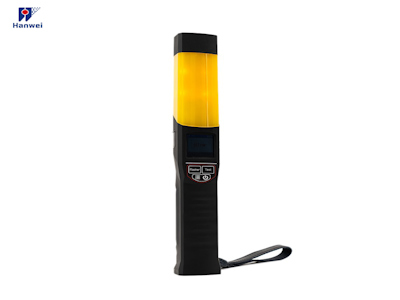
В современном мире, где безопасность на дорогах становится все более приоритетной, алкотестеры играют ключевую роль в предотвращении вождения в состоянии алкогольного опьянения. Однако многие пользователи недооценивают необходимость регулярной калибровки этих устройств. В этой статье мы глубоко погрузимся в тему, объясняя, почему ручная калибровка алкотестера не просто рекомендация, а обязательная процедура для обеспечения точности, надежности и соответствия стандартам. Мы рассмотрим технические детали, юридические аспекты, практические примеры и долгосрочные преимущества, чтобы дать вам полное понимание этого критически важного процесса.
Введение в мир алкотестеров
Алкотестеры, или breathalyzers, стали неотъемлемой частью нашей жизни, особенно для водителей, сотрудников правоохранительных органов и предприятий, где безопасность труда зависит от трезвости персонала. Эти устройства измеряют концентрацию алкоголя в выдыхаемом воздухе, предоставляя быстрые и относительно точные результаты. Но как и любое электронное устройство, алкотестеры подвержены износу,环境影响 и другим факторам, которые могут повлиять на их производительность. Именно здесь на сцену выходит калибровка – процесс настройки устройства для обеспечения того, что его показания соответствуют установленным стандартам.
Регулярная калибровка, особенно ручная, является фундаментальной для поддержания точности алкотестера. Без нее даже самые дорогие и продвинутые модели могут давать ошибочные результаты, что приводит к серьезным последствиям: от ложных обвинений в вождении в нетрезвом виде до реальных аварий из-за недооценки уровня опьянения. В этой статье мы разберем, что такое ручная калибровка, почему она важна, как ее проводить и какие выгоды она приносит в долгосрочной перспективе.
Что такое ручная калибровка алкотестера?
Ручная калибровка алкотестера – это процесс, при котором пользователь или специалист вручную настраивает устройство, используя калибровочные газы или растворы с известной концентрацией алкоголя. В отличие от автоматической калибровки, которая может быть встроена в некоторые модели, ручной метод требует активного участия и часто более точен, так как позволяет учесть конкретные условия использования. Этот процесс включает сравнение показаний алкотестера с эталонными значениями и внесение корректировок в электронную схему или программное обеспечение устройства.
Основная цель калибровки – устранение drift или дрейфа – постепенного изменения точности устройства из-за факторов like temperature changes, humidity, sensor aging, or contamination. Например, сенсоры в алкотестерах, такие как electrochemical или semiconductor sensors, со временем теряют чувствительность или могут быть загрязнены остатками из выдыхаемого воздуха. Ручная калибровка позволяет reset эти отклонения, ensuring that the device provides reliable readings over time.
Процесс typically involves using a calibration kit, which includes a gas cylinder with a precise alcohol concentration or a simulation solution. User blows into the device or applies the calibration standard, and then adjusts the settings based on the difference between the measured value and the expected value. This might be done through a menu on the device or via connected software. Regular intervals for calibration depend on usage frequency and manufacturer recommendations, but generally, it's advised to calibrate every 6-12 months or after a certain number of tests.
Технические аспекты точности измерений
Точность алкотестера критически важна, так как даже небольшая погрешность может иметь серьезные последствия. Например, если устройство занижает показания, оно может пропустить водителя, который на самом деле находится в состоянии опьянения, увеличивая риск аварии. С другой стороны, завышение показаний может привести к несправедливым штрафам или legal issues. Ручная калибровка directly addresses this by ensuring that the sensor's response is aligned with international standards, such as those set by organizations like the International Organization for Legal Metrology (OIML) or local authorities like Rosstandart in Russia.
Сенсоры в алкотестерах работают на основе chemical reactions. Electrochemical sensors, for instance, generate a current proportional to the alcohol concentration, while semiconductor sensors change resistance. Over time, these sensors can degrade due to exposure to environmental factors or repeated use. Calibration recalibrates the baseline, compensating for any drift. Without it, the device might start giving readings that are off by significant margins – studies show that uncalibrated devices can have errors of up to 10-20%, which is unacceptable for legal or safety purposes.
Moreover, manual calibration allows for customization based on specific conditions. For example, if an alcometer is used in a cold climate, temperature compensation might be necessary, and manual calibration can incorporate these adjustments better than automated systems. This level of precision is why professional users, such as police departments or companies, often insist on regular manual calibration as part of their protocols.
Юридические и нормативные требования
Во многих странах, включая Россию, использование алкотестеров регулируется строгими нормами. Например, в соответствии с законодательством, устройства, применяемые для официальных tests, must be certified and regularly calibrated to ensure compliance with accuracy standards. Failure to calibrate can render test results inadmissible in court, leading to legal challenges and potential liabilities. Regular manual calibration helps users stay within legal boundaries, avoiding fines or disputes.
В России, алкотестеры used by traffic police or in workplaces must meet requirements set by regulations like the Technical Regulations of the Customs Union or local laws. These often mandate calibration intervals and methods. For instance, a device might need calibration every 500 tests or every six months, whichever comes first. Manual calibration provides documented proof of maintenance, which is crucial for audits or legal proceedings. Without it, organizations risk non-compliance, which can result in penalties or even revocation of licenses.
Кроме того, в случае аварии или инцидента, данные алкотестера могут быть использованы как evidence. Если устройство не было откалибровано, его показания могут быть легко оспорены в суде, что undermines the entire purpose of using it. Thus, regular manual calibration is not just a technical necessity but a legal safeguard.
Практические преимущества для пользователей
Для индивидуальных пользователей, таких as drivers who own personal alcometers, regular manual calibration offers peace of mind. Knowing that the device is accurate reduces anxiety about false positives or negatives. It also extends the lifespan of the device by preventing premature failure due to inaccurate readings that might lead to misuse or damage. For example, if an alcometer consistently gives low readings, a user might underestimate their intoxication level and decide to drive, putting themselves and others at risk.
Для businesses, особенно those in transportation or industries with safety-sensitive roles, calibrated alcometers are essential for risk management. They help in implementing alcohol policies effectively, reducing workplace accidents, and improving overall safety culture. Regular calibration can be part of a broader maintenance schedule, ensuring that devices are always ready for use. This proactive approach can save costs in the long run by avoiding accidents, legal fees, or replacement of faulty equipment.
Moreover, manual calibration is often more cost-effective than relying on automated systems or frequent replacements. Calibration kits are relatively inexpensive compared to the cost of a new device or the consequences of an inaccurate test. By investing time in regular calibration, users can maximize the value of their investment and ensure reliable performance year after year.
Как проводить ручную калибровку: пошаговое руководство
Проведение ручной калибровки требует внимания к деталям, но it is manageable with practice. First, ensure you have the right calibration kit for your specific alcometer model. These kits typically include a calibration gas canister with a known alcohol concentration (e.g., 0.10% BAC) or a liquid solution for simulators. Follow the manufacturer's instructions carefully, as procedures can vary.
Шаг 1: Подготовьте устройство. Убедитесь, что алкотестер чистый и fully charged or powered. Remove any mouthpieces or accessories that might interfere.
Шаг 2: Введите калибровочный стандарт. For gas calibration, attach the canister to the device or use a adapter. For liquid calibration, apply the solution to the sensor area. Activate the calibration mode on the alcometer – this is usually done through a settings menu or a specific button combination.
Шаг 3: Сравните показания. Device will measure the standard and display a value. Compare this to the expected value from the kit. If there's a discrepancy, use the calibration controls to adjust the settings. This might involve turning a screw, using digital menus, or connecting to a computer software.
Шаг 4: Подтвердите и сохраните. Once the readings match, save the calibration settings. Test the device with the standard again to ensure accuracy. Document the calibration date and results for future reference.
Регулярность是关键. Set reminders based on usage – for heavy use, calibrate monthly; for occasional use, every 6-12 months. Always handle calibration materials with care to avoid contamination.
Долгосрочные выгоды и заключение
В долгосрочной перспективе, регулярная ручная калибровка алкотестера окупается многократно. Она обеспечивает непрерывную точность, reduces the risk of errors, and enhances device longevity. For society, it contributes to safer roads and workplaces, saving lives and resources. As technology advances, new features like Bluetooth connectivity or apps might simplify calibration, but the core principle remains: accuracy depends on maintenance.
В заключение, не пренебрегайте калибровкой. Treat it as essential as charging your phone or servicing your car. By doing so, you not only protect yourself legally but also contribute to a culture of responsibility and safety. Invest in a good calibration kit, learn the process, and make it a habit – your future self will thank you.
Эта статья aimed to provide a comprehensive overview, but remember to always consult your device's manual and local regulations for specific guidance. Stay safe and drive sober!