

- Мобильные телефоны:
- 1388xx888xx
- Телефон:
- 1388xx888xx
- Почтовый ящик:
- 1388xx888xx@gmail.com
- Адрес:
- Jinsuo Road, Xuesong Road, Zhengzhou, Henan, China
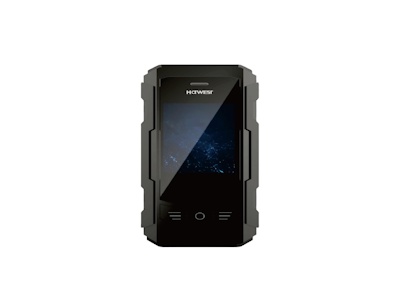
Алкотестеры, или приборы для определения содержания алкоголя в выдыхаемом воздухе, стали неотъемлемой частью современного общества, играя ключевую роль в обеспечении безопасности на дорогах, на рабочих местах и в других сферах жизни. Эти устройства помогают предотвратить accidents, связанные с алкогольным опьянением, и способствуют соблюдению законов. Однако эффективность алкотестеров во многом зависит от их точности и надежности, которые обеспечиваются через процесс синхронизации. В этом эссе мы глубоко исследуем, как работает синхронизация алкотестеров, covering technical details, legal frameworks, practical applications, and future trends. Мы начнем с общего обзора алкотестеров, затем углубимся в механизмы синхронизации, обсудим ее важность, и завершим выводами о ее роли в обществе.
Что такое алкотестер и зачем он нужен?
Алкотестер – это электронное устройство, designed to measure the concentration of alcohol in a person's breath, which correlates with blood alcohol concentration (BAC). Основные компоненты включают сенсор (часто electrochemical или semiconductor-based), процессор для обработки данных, дисплей для отображения результатов, и систему для продувки воздуха. Принцип работы основан на том, что алкоголь из крови диффундирует в alveoli легких и выдыхается; алкотестер анализирует этот воздух, converting the alcohol molecules into an electrical signal that is then calibrated to show BAC.
Исторически, первые алкотестеры появились в mid-20th century, и с тех пор они evolved significantly. Сегодня они используются в various contexts: law enforcement for roadside testing, workplaces for employee safety, personal use for self-monitoring, and even in medical settings. For example, в России и многих других странах, алкотестеры mandatory for drivers to prevent drunk driving, which reduces accidents and saves lives. According to WHO, alcohol-impaired driving is a leading cause of traffic fatalities globally, highlighting the critical need for reliable devices.
Однако, без proper synchronization, алкотестеры могут давать erroneous results, leading to false positives or negatives. This can have serious consequences, such as wrongful arrests or undetected intoxication. Hence, synchronization is not just a technicality but a vital process that ensures devices are accurate, consistent, and compliant with standards.
Основы синхронизации алкотестеров
Синхронизация алкотестеров refers to the process of aligning the device's measurements with a known reference or standard, ensuring that it provides accurate and reproducible results over time. This involves several key aspects: calibration, data synchronization, time synchronization, and software updates.
Calibration is the core of synchronization. It involves adjusting the device using a reference gas with a known alcohol concentration. For instance, a calibration standard might be a gas mixture containing 0.10% BAC equivalent. The device is exposed to this gas, and its readings are adjusted to match the reference. This is typically done periodically, such as every 6 months or 1,000 tests, depending on the manufacturer's recommendations and legal requirements. Modern алкотестеры often have automated calibration features or require professional service.
Data synchronization ensures that the results from the device are consistent and can be tracked over time. This might involve syncing data to a central database via Bluetooth, USB, or wireless connections. For example, in law enforcement, алкотестеры are synchronized with software that logs tests, timestamps, and user IDs, preventing tampering and providing evidence for legal proceedings.
Time synchronization is crucial for timestamp accuracy. Since alcohol levels can change rapidly, precise timekeeping ensures that tests are recorded at the correct moment. This is often achieved through network time protocols or internal clocks that are regularly synced with authoritative time sources.
Software synchronization involves updating the device's firmware to fix bugs, improve algorithms, or adapt to new regulations. This can be done via connected apps or service centers.
The overall goal is to maintain the device's accuracy within acceptable margins, typically ±0.01% BAC, as per standards like those from the International Organization for Legal Metrology (OIML).
Технические механизмы синхронизации
To understand how synchronization works, let's delve into the technical details. Алкотестеры use various sensor technologies, but the synchronization processes are similar across types.
Electrochemical sensors are common in professional devices. They work by oxidizing alcohol molecules, producing a current proportional to the alcohol concentration. Synchronization for these sensors involves calibration using reference gases. The device's software compares the sensor output to the known value and adjusts gain or offset parameters. Advanced models might use machine learning algorithms to compensate for sensor drift over time.
Semiconductor sensors, often found in cheaper personal devices, detect alcohol through changes in electrical resistance. These are less accurate and require more frequent synchronization. Calibration might involve user-initiated steps, such as blowing into the device after exposure to a calibration solution.
Infrared spectroscopy-based алкотестеры are highly accurate and used in evidential contexts. They measure the absorption of infrared light by alcohol molecules. Synchronization here involves precise optical alignment and calibration with certified gas mixtures. These devices often have built-in self-test routines that run automatically before each use.
Data synchronization is facilitated through hardware interfaces. For example, many алкотестеры have USB ports or wireless capabilities like Bluetooth. When connected to a computer or cloud service, they upload test data, receive calibration updates, and sync time. Encryption is used to secure data during transmission, ensuring privacy and integrity.
In terms of software, synchronization algorithms are embedded in the device's firmware. These might include routines for automatic calibration checks, where the device periodically tests itself against an internal reference. If deviations are detected, it alerts the user or locks out until serviced.
Real-world examples illustrate this: In Russia, алкотестеры used by police are synchronized with the ERA-GLONASS system for timestamp accuracy and data logging to a central server, as required by law. This ensures that test results are admissible in court.
Юридические и нормативные аспекты
Синхронизация алкотестеров is heavily regulated to ensure fairness and reliability. Different countries have specific standards that devices must meet.
In Russia, the use of алкотестеров is governed by laws such as the Traffic Code and regulations from Rosstandart. Devices must be certified and regularly synchronized against state-approved standards. For instance, calibration must be performed by accredited laboratories, and records must be kept for audit purposes. Failure to synchronize can lead to legal challenges, where test results might be deemed invalid.
Globally, organizations like OIML provide guidelines for metrological requirements. OIML R126 specifies criteria for evidential breath alcohol testers, including synchronization protocols. Devices must undergo type approval and periodic verification.
Legal frameworks also address data synchronization. In the EU, the General Data Protection Regulation (GDPR) requires that personal data from алкотестеров be handled securely during synchronization. This means encrypted transmissions and strict access controls.
Case studies show the importance of synchronization. In a famous incident in the US, a defendant challenged a DUI charge because the алкотестер had not been properly synchronized, leading to an acquittal. This underscores that synchronization is not just technical but a legal necessity to uphold justice.
Compliance involves regular audits and certifications. Manufacturers must design devices with synchronization in mind, and users (e.g., police departments) must follow protocols diligently. This creates a ecosystem where synchronization is integral to the device's lifecycle.
Практические применения и важность
The practical benefits of synchronization are immense. In law enforcement, synchronized алкотестеры provide reliable evidence for prosecuting drunk drivers. Studies show that accurate devices reduce recidivism and improve road safety. For example, in countries with strict synchronization protocols, drunk driving fatalities have decreased significantly.
In workplaces, such as factories or transportation companies, synchronized devices help enforce sobriety policies, preventing accidents and ensuring productivity. Employees might be tested randomly, and synchronization ensures fairness.
For personal use, synchronization though less formal, still matters. Users can trust their devices for self-monitoring, avoiding legal issues or health risks. Apps that sync data to smartphones allow trend analysis, helping individuals manage their alcohol consumption.
The importance extends beyond safety to economic aspects. Improper synchronization can lead to costly lawsuits, insurance claims, and loss of reputation. For instance, a company using unsynchronized devices might face negligence claims if an accident occurs.
Moreover, synchronization supports public health initiatives. By providing accurate data, it helps in research on alcohol abuse and policy-making. Governments rely on synchronized devices to monitor compliance with alcohol laws.
In summary, synchronization transforms алкотестеры from mere tools into trustworthy instruments that protect lives, uphold laws, and promote responsible behavior.
Вызовы и будущие тенденции
Despite its importance, synchronization faces challenges. Sensor drift due to environmental factors like temperature and humidity can affect accuracy, requiring frequent recalibration. Cost is another issue; professional synchronization services can be expensive, limiting access in resource-poor settings.
Technological advancements are addressing these challenges. Smart алкотестеры with IoT capabilities can auto-sync to cloud platforms, reducing the need for manual intervention. AI algorithms can predict when synchronization is needed based on usage patterns.
Future trends include the integration of blockchain for tamper-proof data synchronization, ensuring that records cannot be altered. Also, miniaturization and improved sensors might make synchronization more efficient and affordable.
Regulations will likely evolve to keep pace with technology. We may see global standards for synchronization that facilitate cross-border use, especially in connected vehicles where алкотестеры could be built into dashboards.
Ultimately, the goal is to make synchronization seamless and ubiquitous, enhancing the reliability of алкотестеры in all applications.
Заключение
В этом эссе мы explored cómo работает синхронизация алкотестеров, highlighting its technical, legal, and practical dimensions. Synchronization is the backbone of device accuracy, involving calibration, data handling, and compliance with standards. It ensures that алкотестеры can be trusted in critical situations, from law enforcement to personal safety. As technology advances, synchronization will become even more integrated and efficient, further solidifying the role of алкотестеры in promoting a safer society. By understanding and prioritizing synchronization, we can maximize the benefits of these vital devices.
This essay has provided a comprehensive overview, but the topic is vast and continuously evolving. Continued research and adherence to best practices are essential for maintaining the integrity of alcohol testing systems.