


- Мобильные телефоны:
- 1388xx888xx
- Телефон:
- 1388xx888xx
- Почтовый ящик:
- 1388xx888xx@gmail.com
- Адрес:
- Jinsuo Road, Xuesong Road, Zhengzhou, Henan, China
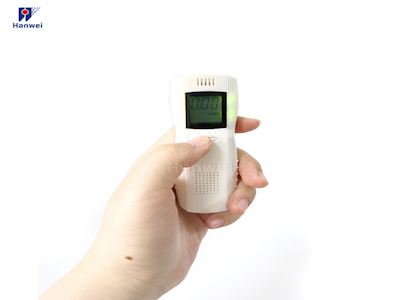
В современном мире безопасность на дорогах и в профессиональной среде становится все более важной. Алкогольные тестеры играют ключевую роль в предотвращении аварий и обеспечении соблюдения законов. Однако, как и любое электронное устройство, они могут выходить из строя, особенно их сенсоры. Замена сенсора алкогольного тестера без сбоев – это не просто техническая процедура, а искусство, требующее внимания к деталям, понимания принципов работы и использования качественных компонентов. В этой статье мы подробно рассмотрим все аспекты замены сенсора: от выбора подходящего оборудования до пошаговой инструкции и советов по избежанию распространенных ошибок. Мы углубимся в историю развития технологий, сравним различные модели тестеров и предоставим экспертные рекомендации, чтобы ваше устройство работало безупречно долгие годы.
1. Введение в мир алкогольных тестеров
Алкогольные тестеры, или алкотестеры, стали неотъемлемой частью нашей жизни с середины XX века. Первые устройства были громоздкими и неточными, но с развитием технологий они превратились в компактные, высокоточные инструменты. Основной компонент любого алкотестера – это сенсор, который определяет концентрацию этанола в выдыхаемом воздухе. Существует несколько типов сенсоров: полупроводниковые, электрохимические и инфракрасные. Каждый из них имеет свои преимущества и недостатки. Например, полупроводниковые сенсоры дешевы, но менее точны и подвержены влиянию окружающей среды. Электрохимические сенсоры более точны и долговечны, что делает их популярными в профессиональных устройствах. Инфракрасные сенсоры обеспечивают высочайшую точность, но их стоимость значительно выше. Понимание этих различий crucial для правильного выбора и замены сенсора.
2. Почему сенсоры выходят из строя?
Сенсоры алкогольных тестеров подвержены износу и повреждениям по различным причинам. Во-первых, это естественный износ: каждый сенсор имеет ограниченный срок службы, обычно от 1 до 5 лет в зависимости от типа и частоты использования. Во-вторых, загрязнение: частицы пыли, влага или химические вещества могут засорить сенсор, снижая его точность. В-третьих, механические повреждения: падения или удары могут нарушить целостность сенсора. Кроме того, неправильное использование, такое как тестирование при экстремальных температурах или без калибровки, может ускорить выход из строя. Регулярное обслуживание и своевременная замена сенсора помогут избежать сбоев и обеспечить надежность устройства.
3. Диагностика проблем с сенсором
Перед заменой сенсора необходимо точно диагностировать проблему. Common signs of a faulty sensor include inconsistent readings, error messages on the display, or complete failure to power on. Start by performing a visual inspection: check for physical damage, corrosion, or debris. Next, use calibration tools or test solutions to verify accuracy. If the device has self-diagnostic features, run them to identify specific issues. For electronic chemical sensors, measure the output voltage or resistance; deviations from norms indicate problems. Documenting symptoms and test results will help in selecting the right replacement and avoiding unnecessary repairs. Remember, misdiagnosis can lead to further damage, so take your time and consult the device's manual or online resources.
4. Выбор подходящего сенсора для замены
Choosing the right sensor is critical for a successful replacement. First, identify the model of your alcohol tester and its sensor type. Manufacturers often provide compatibility lists or part numbers. Opt for OEM (Original Equipment Manufacturer) sensors for guaranteed quality and compatibility, though aftermarket options can be cheaper but may vary in reliability. Consider the sensor's specifications: range, accuracy, response time, and operating conditions. For example, if you use the tester in humid environments, select a sensor with better moisture resistance. Read reviews and seek recommendations from forums or professionals. Investing in a high-quality sensor might cost more upfront but will save money in the long run by reducing failures and maintenance needs.
5. Подготовка к замене: инструменты и безопасность
Before starting the replacement, gather all necessary tools and ensure a safe workspace. You'll typically need screwdrivers (possibly Torx or Phillips depending on the model), tweezers, anti-static wrist strap to prevent electrostatic discharge, and cleaning supplies like isopropyl alcohol and cotton swabs. Work in a well-ventilated, static-free area to avoid damaging electronic components. Disconnect the device from any power sources and remove batteries if applicable. Wear gloves to protect against sharp edges and chemicals. Review the device's disassembly instructions from the manual or online tutorials. Proper preparation minimizes risks and makes the process smoother. If you're unsure, consider practicing on an old or broken device first.
6. Пошаговая инструкция по замене сенсора
Here’s a general step-by-step guide for replacing the sensor. Note that steps may vary by model, so always refer to specific instructions. Step 1: Power off the device and remove batteries. Step 2: Open the casing using the appropriate screwdriver; be gentle to avoid breaking clips. Step 3: Locate the sensor module; it's usually connected via a ribbon cable or pins. Step 4: Disconnect the old sensor carefully, noting the orientation for reassembly. Step 5: Clean the area around the sensor socket with isopropyl alcohol to remove any residue. Step 6: Install the new sensor, ensuring it's seated properly and connections are secure. Step 7: Reassemble the device, tightening screws evenly. Step 8: Power on and calibrate the device according to the manufacturer's guidelines. Test with a known solution to verify accuracy.
7. Калибровка после замены
Calibration is essential after replacing the sensor to ensure accurate readings. Most alcohol testers have a calibration mode accessible through the menu or a combination of buttons. Use a certified calibration solution with a known alcohol concentration (e.g., 0.10% BAC). Follow the device's instructions: typically, you blow into the device while it's in calibration mode, and it adjusts internally. Some models require sending to a professional service for calibration. Perform calibration in a stable environment away from contaminants. Regular calibration, even without replacement, is recommended every 6-12 months. Keep records of calibration dates and results for compliance and troubleshooting.
8. Common mistakes and how to avoid them
Many users make errors during sensor replacement that lead to failures. Common mistakes include forcing components, causing damage; using incompatible sensors, resulting in inaccurate readings; skipping calibration, making the device unreliable; and working in dirty environments, introducing contaminants. To avoid these, always handle parts delicately, double-check compatibility, never skip calibration, and maintain a clean workspace. If you encounter resistance during disassembly, stop and reassess rather than applying excessive force. Watch online videos or join user communities for model-specific tips. Remember, patience and attention to detail are key to a successful replacement without issues.
9. Техническое обслуживание для продления срока службы
Regular maintenance can extend the life of your alcohol tester and sensor. Clean the mouthpiece and external parts regularly with alcohol wipes to prevent buildup. Store the device in a cool, dry place away from direct sunlight and extreme temperatures. Avoid exposing the sensor to high concentrations of alcohol or other chemicals unnecessarily. Perform periodic accuracy checks with test solutions. If the device is used frequently, consider having it serviced professionally annually. Keep firmware updated if applicable, as updates can improve performance and add features. By adopting these habits, you reduce the need for frequent replacements and ensure consistent reliability.
10. Сравнение популярных моделей алкотестеров
Different alcohol tester models have varying sensor types and replacement complexities. For instance, budget models like AlcoHunter Professional often use semiconductor sensors that are easier to replace but less accurate. Mid-range devices such as Dräger Alcotest 6810 feature electrochemical sensors requiring careful handling. High-end models like Intoximeters EC/IR use infrared sensors that are complex and best replaced by professionals. Compare factors like cost of replacement sensors, availability, and ease of DIY vs. professional service. Read user reviews to understand common issues. Choosing a model with accessible and affordable sensors can save time and money in the long term.
11. Правовые аспекты и сертификация
In many countries, alcohol testers used for legal purposes must be certified and calibrated regularly to meet standards like those set by the Department of Transportation (DOT) in the US or similar bodies elsewhere. After replacing a sensor, ensure the device remains compliant. Some jurisdictions require recalibration by authorized centers to maintain certification. Keep documentation of all replacements and calibrations for inspections. Using uncertified or improperly maintained testers can lead to legal issues if used in official contexts. Always check local regulations and opt for sensors that meet relevant standards to avoid complications.
12. Инновации в технологиях сенсоров
The field of alcohol sensing is evolving rapidly. Recent innovations include nanotechnology-based sensors for higher sensitivity, wireless connectivity for data logging, and AI integration for better accuracy and fraud detection. For example, some new sensors can distinguish between alcohol types or reduce false positives from other substances. Staying informed about these advancements can help you choose future-proof devices or upgrade when beneficial. However, ensure compatibility with existing systems before adopting new technologies. As sensors become more advanced, replacement might become simpler or more complex, so continuous learning is essential.
13. Экономические соображения: стоимость замены
The cost of replacing a sensor varies widely. OEM sensors for popular models can range from $20 to $200 or more, while aftermarket options might be cheaper but riskier. Factor in the cost of calibration tools or professional services if needed. DIY replacement saves labor costs but requires time and effort. Weigh the expense against the value of the device; for inexpensive testers, replacement might not be economical compared to buying a new one. However, for high-end models, sensor replacement is often cost-effective. Plan budgets accordingly and consider warranty options that might cover replacements.
14. Реальные истории успеха и неудач
Learning from others' experiences can be invaluable. For example, a taxi company successfully replaced sensors in their fleet of testers, reducing downtime and costs by 30% through bulk purchasing and in-house training. Conversely, an individual attempted a replacement without proper tools, damaging the device beyond repair. Share stories in online forums to gather insights. Success often comes from thorough research, while failures highlight the importance of caution. Use these anecdotes to inform your approach and avoid common pitfalls.
15. Заключение: ключ к беспроблемной замене
Replacing the sensor of an alcohol tester without failures is achievable with the right knowledge and care. Summarize key points: diagnose accurately, choose quality components, follow precise steps, calibrate thoroughly, and maintain regularly. Embrace a proactive approach to extend device life and ensure safety. Whether you're a professional or a DIY enthusiast, this guide empowers you to handle replacements confidently. Remember, safety on the road starts with reliable equipment – invest time in learning and executing properly for peace of mind.
By covering these topics in depth, we've provided a comprehensive resource for anyone facing sensor replacement. Keep this article bookmarked for reference, and always prioritize safety and accuracy in all steps.