


- Мобильные телефоны:
- 1388xx888xx
- Телефон:
- 1388xx888xx
- Почтовый ящик:
- 1388xx888xx@gmail.com
- Адрес:
- Jinsuo Road, Xuesong Road, Zhengzhou, Henan, China
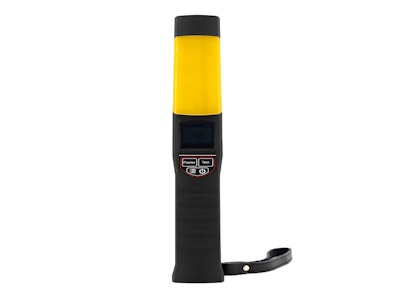
Добро пожаловать в наше глубокое исследование одной из самых недооцененных проблем, связанных с использованием алкотестеров – влияния влажности на их точность. Если вы когда-либо сталкивались с неожиданными показаниями или сомневались в надежности своего устройства, эта статья для вас. Мы погрузимся в детали, объясним научные основы, поделимся реальными случаями и дадим практические рекомендации, чтобы вы могли защитить свой алкотестер и обеспечить точные результаты. Начнем с основ: что такое алкотестер и почему он так важен в нашей жизни.
Что такое алкотестер и как он работает?
Алкотестер – это электронное устройство, предназначенное для измерения концентрации алкоголя в выдыхаемом воздухе. Он широко используется в различных сферах: от личного использования водителями для самоконтроля до профессионального применения правоохранительными органами и на рабочих местах. Основной принцип работы основан на химических реакциях: когда вы выдыхаете в устройство, алкоголь в вашем дыхании взаимодействует с сенсором, вызывая изменение электрического тока или других параметров, которые затем преобразуются в цифровое значение, обычно выражаемое в промилле (‰) или миллиграммах на литр (mg/L).
Существует несколько типов алкотестеров, включая полупроводниковые, электрохимические и инфракрасные. Каждый из них имеет свои преимущества и недостатки, но все они подвержены влиянию внешних факторов, таких как температура, давление и, что особенно важно, влажность. Именно влажность часто становится «тихим убийцей» точности, приводя к ошибкам, которые могут иметь серьезные последствия – от ложных обвинений в вождении в нетрезвом виде до неправильных медицинских диагнозов.
В этой статье мы сосредоточимся на том, как влажность воздействует на алкотестеры, разрушая их точность, и что вы можете сделать, чтобы минимизировать этот риск. Мы рассмотрим научные механизмы, примеры из реальной жизни, и дадим step-by-step руководство по защите вашего устройства. Но сначала давайте определим, что такое влажность и почему она так коварна.
Понимание влажности и ее воздействия на электронику
Влажность – это количество водяного пара в воздухе. Она измеряется в процентах относительной влажности (ОВ), где 100% означает, что воздух насыщен водяным паром. Высокая влажность常見 в влажном климате, ванных комнатах, или после дождя, и она может проникать внутрь электронных устройств, включая алкотестеры.
Для алкотестеров влажность представляет двойную угрозу. Во-первых, она может напрямую влиять на сенсоры. Например, в электрохимических алкотестерах, которые являются наиболее распространенными для personal use, сенсор состоит из электродов, погруженных в электролит. Высокая влажность может изменить концентрацию электролита или вызвать коррозию электродов, что leads к искажению измерений. Во-вторых, влажность может воздействовать на электронные компоненты, вызывая короткие замыкания, окисление контактов или снижение производительности микропроцессоров.
Научные исследования показали, что изменения влажности на 10-20% могут привести к погрешностям измерения до 0.02-0.05‰, что может быть критично, especially near legal limits (e.g., 0.16‰ in Russia for drivers). Imagine being falsely accused of drunk driving because your alco tester gave an inaccurate reading due to humid conditions – это не только stressful, но и может иметь legal and financial consequences.
Кроме того, влажность может усугублять другие факторы, such as temperature fluctuations. For instance, if an alco tester is used in a humid environment and then moved to a dry one, condensation may form inside the device, further damaging components. This is why understanding and mitigating humidity effects is crucial for anyone relying on an alco tester.
Как влажность specifically разрушает точность алкотестера
Давайте углубимся в детали. Влажность влияет на алкотестер через несколько механизмов:
- Impact on Sensors: In electrochemical sensors, humidity can alter the electrolyte's properties, leading to slower response times or baseline drift. This means the device might not zero properly or could give false positives/negatives.
- Corrosion and Oxidation: Moisture can cause metal components to rust or oxidize, reducing their conductivity and accuracy. For example, if the electrodes in a sensor corrode, the electrical signal used to measure alcohol concentration becomes unreliable.
- Electronic Interference: High humidity can increase electrical leakage or cause short circuits in the circuitry, leading to erratic readings or complete failure.
- Calibration Issues: Alco testers require regular calibration to maintain accuracy. Humidity can throw off this calibration, as it affects the reference conditions used during calibration processes.
To illustrate, consider a real-world scenario: you use your alco tester after a shower in a humid bathroom. The device might absorb moisture, and when you blow into it, the added water vapor could dilute the alcohol sample or interfere with the sensor, resulting in a lower reading than actual. Conversely, in very dry conditions, the lack of moisture might make the sensor less sensitive, causing it to miss low levels of alcohol.
Studies have documented cases where alco testers used in humid climates showed errors of up to 15% compared to laboratory standards. This is not just a minor inconvenience – it's a significant reliability issue that underscores the need for humidity-resistant designs and proper user practices.
Примеры из реальной жизни: когда влажность leads к ошибкам
Let's look at some anecdotes and cases. In one incident, a driver in a coastal region failed a breath test during a traffic stop, but later blood tests showed no alcohol. Investigation revealed that the police alco tester had been stored in a humid car trunk, affecting its accuracy. The driver was cleared, but the experience was traumatic and costly.
Another example: a company using alco testers for workplace safety noticed inconsistent readings. After troubleshooting, they found that the devices were kept near a humidifier in the office, causing calibration drift. By moving them to a drier location and implementing regular maintenance, accuracy improved significantly.
These stories highlight that humidity-related errors are not theoretical – they happen and can have real-world impacts. Whether you're a individual user or part of an organization, being aware of this risk is the first step toward prevention.
Как защитить ваш алкотестер от влажности: практические советы
Now that we understand the problem, let's discuss solutions. Here are actionable steps to minimize humidity impact on your alco tester:
- Store Properly: Keep your alco tester in a dry, cool place, away from bathrooms, kitchens, or other humid areas. Use a protective case with desiccant packets to absorb moisture.
- Avoid Extreme Conditions: Don't use the device immediately after being in a humid environment. Wait until you and the device are in a stable, dry setting.
- Regular Maintenance: Clean the mouthpiece and exterior regularly to prevent moisture buildup. Follow manufacturer guidelines for calibration – typically every 6-12 months or after 200-300 uses.
- Choose Humidity-Resistant Models: If you live in a humid climate, consider investing in an alco tester designed with sealed sensors or humidity compensation features. Look for models that meet standards like DOT (Department of Transportation) or FDA approvals, as they often have better environmental robustness.
- Monitor Environment: Use a hygrometer to check humidity levels where you store and use the device. Ideal relative humidity for electronics is between 40% and 60%.
- Educate Yourself: Read the user manual thoroughly to understand specific vulnerabilities of your model. Many manufacturers provide tips for humidity management.
By implementing these practices, you can extend the life of your alco tester and ensure more accurate readings. Remember, prevention is cheaper and easier than dealing with the consequences of inaccurate results.
Научное обоснование: deeper dive into how humidity affects measurements
For those interested in the science, let's explore further. In electrochemical alco testers, the sensor works by oxidizing alcohol molecules, producing a current proportional to alcohol concentration. Humidity affects this in two ways: first, water vapor can compete with alcohol for oxidation sites on the electrode, reducing the signal. Second, changes in humidity alter the electrolyte's ionic conductivity, which can shift the baseline current and cause drift.
Research papers have shown that at high humidity (e.g., 80% RH), the error in alcohol measurement can increase by up to 0.03‰ for every 10% change in humidity. This might seem small, but it's significant near legal thresholds. Advanced models incorporate humidity sensors to compensate, but not all personal devices have this feature.
Infrared alco testers are less affected by humidity because they measure alcohol absorption at specific wavelengths, but they can still suffer from condensation on optical components. Semiconductor sensors, often cheaper, are highly sensitive to humidity and temperature, making them prone to errors.
Understanding these mechanisms helps in selecting the right device and using it correctly. Always opt for calibrated and certified alco testers from reputable brands to minimize risks.
Заключение: ключевые выводы и призыв к действию
Влажность – это серьезный фактор, который может undermine the accuracy of your alco tester, leading to potential errors with serious implications. By being aware of how humidity works and taking proactive steps to protect your device, you can ensure reliable results and avoid unnecessary trouble.
Key takeaways: store your alco tester in a dry place, avoid using it in humid conditions, perform regular maintenance, and consider investing in a quality model with humidity resistance. If you suspect your device is affected, have it recalibrated or replaced.
Don't let humidity destroy your trust in breath alcohol testing. Take action today to safeguard your accuracy and peace of mind. Share this article with others to spread awareness – together, we can reduce errors and promote safer practices.
For more information, consult your device's manual or reach out to manufacturers for support. Stay informed, stay safe, and always test responsibly.