


- Мобильные телефоны:
- 1388xx888xx
- Телефон:
- 1388xx888xx
- Почтовый ящик:
- 1388xx888xx@gmail.com
- Адрес:
- Jinsuo Road, Xuesong Road, Zhengzhou, Henan, China
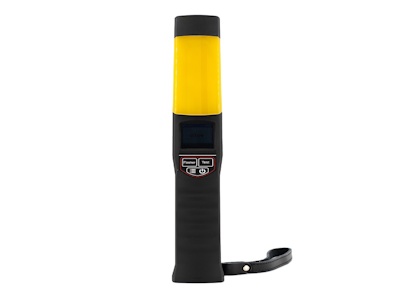
В современном мире, где автомобили стали неотъемлемой частью повседневной жизни, безопасность дорожного движения выходит на первый план. Одним из ключевых инструментов в борьбе с вождением в нетрезвом виде является алкотестер. Эта статья глубоко погружается в тему стандартов алкотестеров, их важности, технических аспектов, законодательной базы и практических рекомендаций для водителей. Мы рассмотрим, как эти устройства спасают жизни, предотвращают аварии и способствуют созданию более безопасной дорожной среды.
Введение в проблему вождения в нетрезвом виде
Вождение под воздействием алкоголя остается одной из основных причин дорожно-транспортных происшествий (ДТП) по всему миру. Согласно данным Всемирной организации здравоохранения (ВОЗ), алкоголь является фактором в approximately 25% всех смертельных ДТП. В России эта проблема особенно актуальна: статистика показывает, что thousands of accidents each year are linked to drunk driving, resulting in numerous fatalities and injuries. Это не только трагедия для семей, но и огромная экономическая нагрузка на общество, включая затраты на медицинское обслуживание, ремонт infrastructure и потерю productivity.
Исторически, борьба с вождением в нетрезвом виде началась с введения законов и штрафов, но одних лишь правовых мер оказалось недостаточно. Технологии, такие как алкотестеры, стали crucial инструментом для enforcement и prevention. Алкотестер, или breathalyzer, измеряет концентрацию алкоголя в выдыхаемом воздухе, предоставляя объективные данные о состоянии водителя. Однако эффективность этих устройств напрямую зависит от их стандартизации и качества.
Что такое алкотестер и как он работает?
Алкотестер – это электронное устройство, предназначенное для определения уровня алкоголя в организме человека через анализ выдыхаемого воздуха. Основной принцип работы основан на химической реакции: ethanol в breath окисляется на сенсоре, генерируя электрический сигнал, который преобразуется в цифровое значение – обычно в промилле (‰) или миллиграммах на литр (mg/L). Существует несколько типов алкотестеров, включая полупроводниковые, electrochemical и infrared, каждый со своими преимуществами и limitations.
Полупроводниковые алкотестеры являются наиболее распространенными для personal use due to their affordability, но они менее точны и могут быть подвержены interference от других substances. Electrochemical sensors, часто используемые в professional devices, обеспечивают higher accuracy и reliability. Infrared алкотестеры, considered the gold standard, используют спектроскопию для precise measurements, но они дороги и typically employed in law enforcement. Understanding these differences is essential for choosing the right device and ensuring accurate results.
Процесс измерения simple: пользователь дует в мундштук устройства в течение several seconds, и алкотестер анализирует sample, displaying the result on a screen. Важно отметить, что factors such as mouth alcohol, temperature, и calibration can affect accuracy. Поэтому регулярное обслуживание и calibration согласно standards являются критическими.
Значение стандартов для алкотестеров
Стандарты для алкотестеров устанавливают требования к accuracy, reliability, safety и interoperability этих устройств. Без единых стандартов, результаты тестирования могли бы варьироваться widely, leading to false positives or negatives, which could have serious consequences. For example, an inaccurate reading might wrongly accuse a sober driver or allow an intoxicated one to drive, increasing the risk of accidents.
International organizations, such as the International Organization for Standardization (ISO), developed standards like ISO 17025 for testing laboratories and specific guidelines for breath alcohol testers. In Russia, standards are set by organizations like Rosstandart, with documents such as GOST R standards ensuring that devices meet minimum performance criteria. These standards cover aspects like measurement range (typically 0.00 to 0.50 mg/L or higher), error tolerance (e.g., ±0.05 mg/L), environmental conditions (temperature, humidity), and calibration procedures.
Adherence to standards not only enhances trust in the devices but also facilitates their use in legal contexts. In many countries, including Russia, results from certified алкотестеры are admissible in court as evidence. This legal weight underscores the importance of standardization: without it, devices could be challenged in court, undermining enforcement efforts.
Технические аспекты и инновации в алкотестерах
Современные алкотестеры incorporate advanced technologies to improve accuracy and user experience. For instance, many devices now feature Bluetooth connectivity, allowing data to be synced with smartphones or law enforcement databases. This enables real-time monitoring and record-keeping, which is valuable for preventive programs like ignition interlock devices (IID). IID are installed in vehicles and prevent the engine from starting if alcohol is detected, directly reducing drunk driving incidents.
Another innovation is the use of fuel cell sensors in electrochemical алкотестеры, which offer high specificity to ethanol and minimal cross-sensitivity to other compounds. Additionally, developments in miniaturization and battery technology have made portable алкотестеры more accessible and convenient for personal use. However, these advancements must be balanced with cost considerations to ensure widespread adoption.
Calibration is a critical technical aspect. Standards require that алкотестеры be calibrated regularly using certified ethanol solutions. The frequency of calibration depends on usage; for personal devices, it might be every 6-12 months, while professional ones may need monthly calibration. Failure to calibrate can lead to drift in accuracy, rendering the device unreliable. Manufacturers often provide calibration services, and some devices include self-test features to alert users to potential issues.
Законодательная база и применение в России
В России, борьба с вождением в нетрезвом виде регулируется stringent laws. Согласно Кодексу об административных правонарушениях и Уголовному кодексу, driving with a blood alcohol concentration (BAC) of 0.16 mg/L or higher (equivalent to 0.16‰) is prohibited and can result in fines, license suspension, or even imprisonment for repeat offenses. The legal limit was lowered from 0.35 mg/L to 0.16 mg/L in 2013 to align with international norms and enhance safety.
Алкотестеры играют vital role in enforcement. Police officers use certified devices during roadside checks, and the results are used to initiate legal proceedings. The standards for these devices are defined by Rosstandart, ensuring they meet accuracy requirements. For example, GOST R 8.XXX specifies the metrological characteristics for breath alcohol testers. Additionally, Russia has programs for preventive measures, such as promoting the use of personal алкотестеры among drivers to self-monitor.
Public awareness campaigns, supported by the government and NGOs, emphasize the dangers of drunk driving and the importance of using reliable алкотестеры. These efforts have contributed to a gradual decline in drunk driving incidents, but challenges remain, particularly in rural areas where enforcement is weaker.
Практические советы для водителей
Для водителей, использование алкотестера can be a proactive step towards safety. Here are some practical tips: First, choose a device that complies with recognized standards, such as those with ISO or GOST certification. Avoid cheap, uncertified models that may give inaccurate readings. Second, use the device correctly: wait at least 15 minutes after drinking or eating to avoid mouth alcohol contamination, and follow the manufacturer's instructions for blowing into the device.
Third, understand the limitations. Алкотестеры measure breath alcohol, which correlates with blood alcohol but can be influenced by factors like metabolism and recent consumption. If in doubt, err on the side of caution and avoid driving. Fourth, consider regular calibration if you use the device frequently. Many companies offer mail-in calibration services.
Lastly, integrate the use of алкотестер into a broader safety mindset. Plan ahead: if you intend to drink, arrange for a designated driver or use public transportation. Remember, the goal is not just to avoid legal trouble but to protect lives – yours and others on the road.
Будущее алкотестеров и безопасность дорожного движения
Looking ahead, the future of алкотестеры is promising with ongoing technological innovations. Integration with smart vehicles and IoT (Internet of Things) could lead to systems that continuously monitor driver sobriety and automatically prevent driving if impairment is detected. For instance, some car manufacturers are exploring built-in breath sensors or cameras that detect signs of intoxication.
Artificial intelligence (AI) might enhance accuracy by analyzing patterns in breath samples or combining data from multiple sensors. Additionally, advancements in materials science could lead to more durable and affordable sensors, making high-quality алкотестеры accessible to a broader audience.
On the policy front, there is a growing trend towards zero-tolerance laws in some regions, which could increase the demand for reliable devices. Education and awareness will continue to be crucial; as technology evolves, so must public understanding of how to use these tools effectively.
Заключение
В заключение, стандарты алкотестеров являются фундаментальными для обеспечения безопасности на дорогах. Они обеспечивают точность, надежность и юридическую силу этих устройств, способствуя снижению количества аварий, связанных с вождением в нетрезвом виде. Как водители, мы должны принимать proactive measures, используя сертифицированные алкотестеры и adhering к законам. Вместе, через technology, legislation и personal responsibility, мы можем сделать дороги safer для всех. Помните: безопасность превыше всего – не садитесь за руль, если выпили.
Эта статья aimed to provide a comprehensive overview, but the topic is vast. For more information, consult resources from organizations like ВОЗ or Rosstandart. Stay informed, stay safe, and contribute to a culture of responsible driving.