
- Мобильные телефоны:
- 1388xx888xx
- Телефон:
- 1388xx888xx
- Почтовый ящик:
- 1388xx888xx@gmail.com
- Адрес:
- Jinsuo Road, Xuesong Road, Zhengzhou, Henan, China
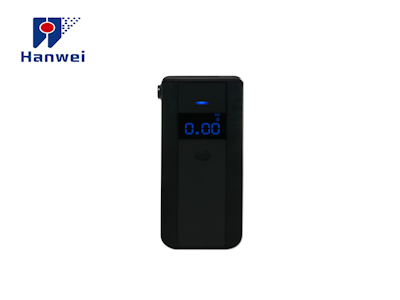
В современном мире, где автомобили стали неотъемлемой частью повседневной жизни, проблема пьяного вождения остается одной из самых острых и трагических. Ежегодно миллионы людей по всему миру страдают от последствий аварий, вызванных водителями в состоянии алкогольного опьянения. Согласно данным Всемирной организации здравоохранения, алкоголь является причиной более 25% всех смертельных дорожно-транспортных происшествий. Это не просто статистика – это реальные жизни, разрушенные семьи и огромные экономические потери. В ответ на эту глобальную угрозу технологии не стоят на месте. Детекторы алкоголя, которые когда-то были простыми устройствами для определения уровня алкоголя в выдыхаемом воздухе, сегодня превращаются в sophisticated системы, интегрированные в умные автомобили и даже в повседневные гаджеты. Будущее этих устройств обещает революционные изменения, способные кардинально повысить безопасность на дорогах. В этой статье мы глубоко погрузимся в мир высокотехнологичных детекторов алкоголя, исследуя их эволюцию, современные инновации и то, как они могут изменить наше отношение к вождению и ответственности.
Исторический контекст: от простых алкотестеров к умным системам
Первые детекторы алкоголя появились еще в начале 20 века, но их развитие было медленным и ограниченным. Ранние модели, такие как drunkometer, разработанный в 1930-х годах, были громоздкими и неточными. Они основывались на химических реакциях, где выдыхаемый воздух пропускался через раствор, изменяющий цвет в присутствии алкоголя. Хотя это был шаг вперед, эти устройства страдали от низкой точности и были подвержены ошибкам из-за внешних факторов, таких как температура или наличие других веществ во рту. С появлением электронных датчиков в 1960-х годах ситуация начала меняться. Алкотестеры стали более портативными и надежными, используя полупроводниковые или электрохимические сенсоры для измерения концентрации алкоголя в выдыхаемом воздухе. Эти устройства быстро adopted правоохранительными органами по всему миру и стали стандартом для проверок на дорогах. Однако даже они имели limitations – например, требовали калибровки и могли давать ложные срабатывания. В 21 веке, с бумом цифровых технологий, детекторы алкоголя начали интегрироваться с более advanced системами. Появление смартфонов и IoT (Интернет вещей) открыло новые горизонты. Сегодня мы видим устройства, которые не только измеряют алкоголь, но и связываются с автомобильными системами, отправляют данные в облако и даже предоставляют аналитику в реальном времени. Это evolution from simple tools to intelligent networks marks a critical turning point in the fight against drunk driving.
Современные технологии: что доступно сегодня?
Современный рынок детекторов алкоголя предлагает широкий спектр устройств, от карманных алкотестеров до встроенных систем в автомобилях. Одной из самых популярных категорий являются персональные алкотестеры, которые можно купить за несколько тысяч рублей. Эти устройства часто используют электрохимические сенсоры, обеспечивающие точность до 0.01% BAC (Blood Alcohol Concentration). Они компактны, easy to use, and can be connected to smartphones via Bluetooth for data logging and sharing. For example, devices like the AlcoHunter Professional or BACtrack Mobile offer apps that track your alcohol consumption over time, provide reminders, and even estimate when you'll be sober enough to drive. This personalization empowers individuals to make informed decisions about their safety. On the other hand, law enforcement uses more advanced equipment, such as evidentiary breathalyzers, which are calibrated to legal standards and can be used in court. These devices often incorporate features like cameras to record the test, GPS for location tracking, and wireless connectivity to upload results directly to databases. Moreover, there are passive sensors that can detect alcohol in the ambient air without requiring a breath sample, making them ideal for integration into vehicles or public spaces. For instance, some cars now come with alcohol ignition interlock devices (IID) that prevent the engine from starting if alcohol is detected. These systems are mandatory in many countries for repeat DUI offenders and have proven effective in reducing recidivism. Additionally, wearable technology is emerging, with smartwatches and fitness trackers that include alcohol sensors. These can monitor BAC through sweat or skin contact, providing continuous monitoring without the need for active testing. The convergence of these technologies creates a comprehensive ecosystem that addresses drunk driving from multiple angles.
Инновации на горизонте: будущее детекторов алкоголя
Будущее детекторов алкоголя выглядит еще более впечатляющим благодаря rapid advancements in AI, biotechnology, and connectivity. One of the most promising areas is the development of non-invasive sensors that can detect alcohol through the skin or breath without any direct contact. Researchers are working on optical sensors that use infrared spectroscopy to measure BAC accurately from a distance. This could be integrated into car dashboards or traffic lights, automatically scanning drivers as they approach. Imagine a world where your car won't start if it senses you've had too much to drink, or where highway systems can alert authorities to impaired drivers in real-time. Another exciting innovation is the use of biosensors embedded in clothing or accessories. For example, smart fabrics with conductive threads could detect alcohol levels in sweat and send alerts to your phone or car. AI and machine learning are also playing a key role. By analyzing patterns in driving behavior, such as steering irregularities or braking patterns, AI systems can predict impairment before it becomes dangerous. Companies like Tesla are already incorporating such features into their autonomous driving systems, which could eventually include alcohol detection as a standard safety measure. Furthermore, the integration with smart cities is on the rise. IoT networks could connect alcohol detectors to traffic management systems, enabling dynamic responses like adjusting speed limits or closing roads when high levels of impairment are detected. Blockchain technology might be used to ensure the integrity and privacy of alcohol test data, preventing tampering and building trust in the system. These innovations not only enhance detection capabilities but also promote a proactive approach to safety, shifting from punishment to prevention.
Социальные и юридические аспекты: вызовы и возможности
Внедрение передовых детекторов алкоголя поднимает важные социальные и юридические вопросы. С одной стороны, эти технологии могут значительно снизить количество аварий и спасти жизни. Studies have shown that alcohol ignition interlocks reduce repeat DUI offenses by up to 70%, demonstrating their effectiveness. However, there are concerns about privacy and civil liberties. Continuous monitoring through wearables or car systems could be seen as intrusive, raising debates about where to draw the line between safety and personal freedom. Legal frameworks will need to evolve to address these issues. For instance, laws must define the admissibility of data from new sensors in court and establish standards for accuracy and calibration. There's also the risk of false positives – if a sensor mistakenly indicates alcohol when someone has only used mouthwash or taken certain medications, it could lead to unjust penalties. Education and public awareness are crucial to gain acceptance for these technologies. Campaigns that highlight the benefits, such as reduced insurance premiums for drivers who use alcohol detection systems, can incentivize adoption. Moreover, these technologies could foster a cultural shift towards responsible drinking. By making alcohol detection more accessible and integrated into daily life, people might become more mindful of their limits. On a global scale, international collaboration could standardize technologies and regulations, ensuring consistency across borders. The potential for positive impact is enormous, but it requires careful balancing of innovation, ethics, and law to ensure that the future of alcohol detectors truly enhances road safety without compromising individual rights.
Заключение: путь к безопасным дорогам
В заключение, будущее детекторов алкоголя яркое и многообещающее. Высокие технологии, такие как AI, IoT и передовые сенсоры, трансформируют эти устройства из простых инструментов detection в интеллектуальные системы prevention. Они не только улучшают точность и удобство, но и интегрируются в broader ecosystems умных автомобилей и городов, предлагая holistic approach к безопасности на дорогах. Хотя challenges related to privacy, legality, and public acceptance remain, the potential benefits – saving lives, reducing accidents, and promoting responsible behavior – are undeniable. As we move forward, collaboration between technologists, policymakers, and society will be key to harnessing these innovations for the greater good. The day may not be far when drunk driving becomes a rarity, thanks to the silent guardians embedded in our cars and gadgets. Let's embrace this future with optimism and responsibility, ensuring that technology serves humanity in the most protective and ethical ways.