


- Мобильные телефоны:
- 1388xx888xx
- Телефон:
- 1388xx888xx
- Почтовый ящик:
- 1388xx888xx@gmail.com
- Адрес:
- Jinsuo Road, Xuesong Road, Zhengzhou, Henan, China
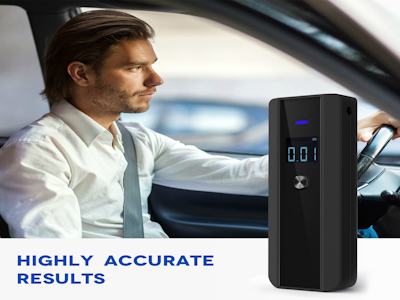
В современном мире, где автомобили стали неотъемлемой частью повседневной жизни, вопрос безопасности на дорогах приобретает все большую актуальность. Одним из ключевых аспектов этой безопасности является управление транспортным средством в состоянии алкогольного опьянения. Многие водители задаются вопросом: какой диапазон показаний алкотестера можно считать безопасным для вождения? Эта статья aims to delve deep into this topic, exploring legal limits, physiological impacts, and practical advice to help drivers make informed decisions.
Алкотестеры, или breathalyzers, are devices designed to measure the concentration of alcohol in a person's breath, which correlates with blood alcohol concentration (BAC). The results are typically displayed in units such as promille (‰) or grams per liter. Understanding what constitutes a safe range is crucial not only for compliance with the law but also for ensuring personal and public safety.
Юридические нормы и ограничения
In Russia, the legal limit for blood alcohol concentration while driving is strictly regulated. According to current legislation, the permissible BAC is 0.0 promille for drivers. This means that any detectable amount of alcohol can lead to penalties, including fines, license suspension, or even criminal charges in severe cases. The zero-tolerance policy is enforced to minimize road accidents caused by impaired driving.
However, it's important to note that алкотестеры can have a margin of error. Most devices are calibrated to be accurate within a certain range, but factors such as device quality, calibration, and individual metabolism can affect readings. Therefore, even if a алкотестер shows a very low value, say 0.1 promille, it might still be considered illegal and unsafe from a legal perspective.
Comparing with other countries, some have higher thresholds. For instance, in many European nations, the limit is 0.5 promille, while in the United States, it's typically 0.08%. These differences highlight the varying approaches to road safety and the importance of adhering to local laws.
Физиологические эффекты алкоголя
Alcohol affects the central nervous system, impairing cognitive functions, reaction times, and motor skills. Even at low concentrations, such as 0.2-0.3 promille, individuals may experience reduced coordination and judgment. Studies have shown that at BAC levels as low as 0.2 promille, the risk of accidents increases significantly.
The body metabolizes alcohol at a rate of about 0.1 to 0.15 promille per hour, but this can vary based on factors like weight, gender, and food intake. For example, a person weighing 70 kg might need several hours to sober up after consuming just one standard drink. This underscores that there is no truly 'safe' amount of alcohol for driving; the only safe level is zero.
Long-term effects of driving under the influence include not only legal repercussions but also potential health issues and the tragic consequences of accidents. It's estimated that alcohol is a factor in a large percentage of fatal road crashes worldwide.
Практические советы для водителей
To avoid risks, drivers should adopt a zero-alcohol policy when planning to drive. This means abstaining from alcohol entirely if you need to get behind the wheel. If you do consume alcohol, use reliable алкотестеры to check your BAC, but remember that these devices are not infallible.
Wait sufficient time after drinking before driving. A general rule of thumb is to allow at least one hour per standard drink for alcohol to metabolize. However, this is only an estimate, and individual variations apply.
Consider alternatives like designated drivers, public transportation, or ride-sharing services. These options can prevent dangerous situations and ensure everyone's safety.
In conclusion, while алкотестеры can provide a measure of alcohol levels, the only safe range for driving is 0.0 promille. Adhering to this not only keeps you within the law but protects lives on the road. Always prioritize safety over convenience.
This article has explored the intricacies of алкотестер readings and safe driving practices. By understanding the legal and physiological aspects, drivers can make better choices and contribute to safer roads for all.